
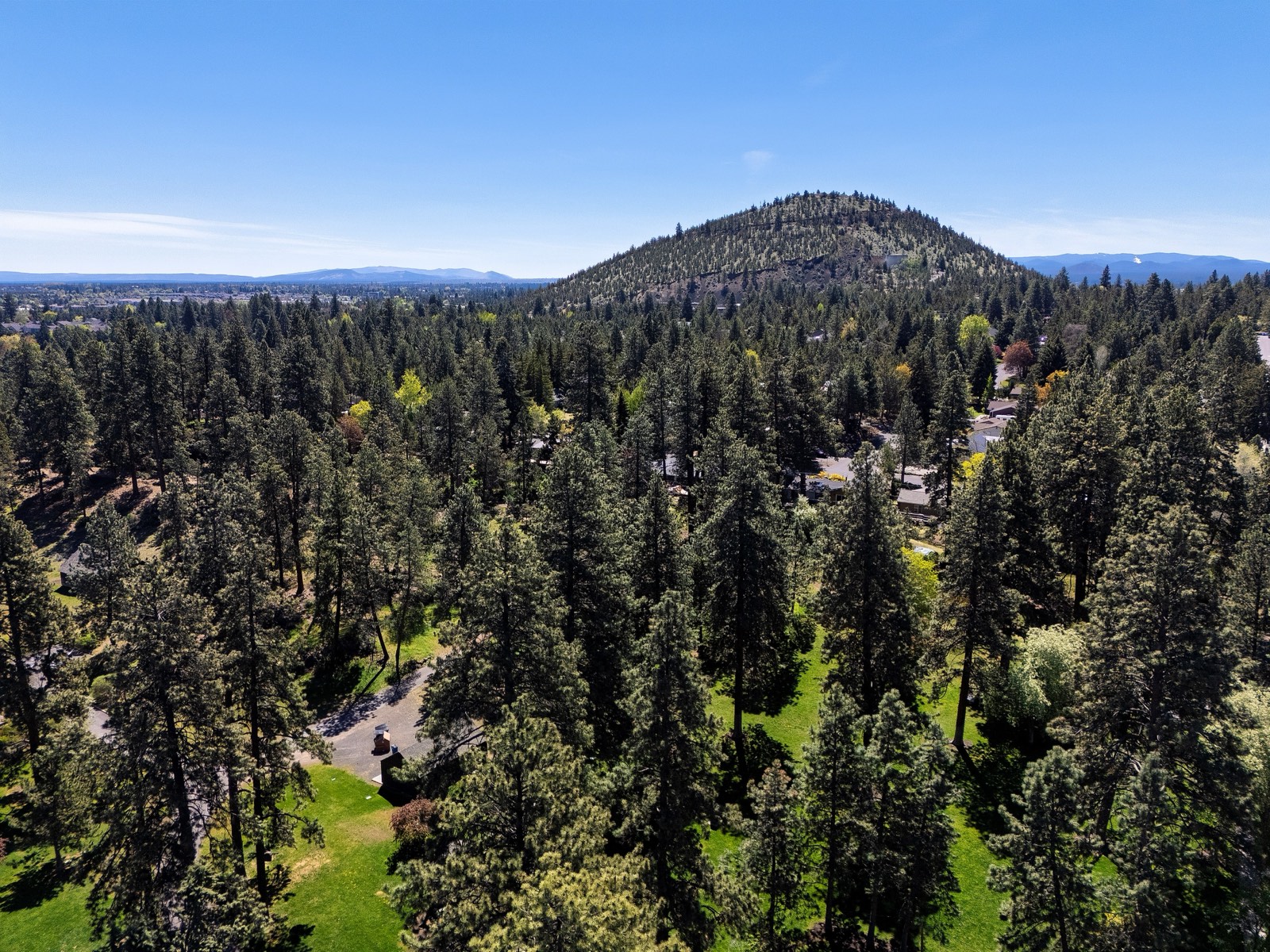
Central Oregon buyers should treat wildfire planning, summer smoke and homeowners insurance as part of due diligence, not as an afterthought.
Central Oregon buyers should treat wildfire planning, summer smoke and homeowners insurance as part of due diligence, not as an afterthought. Use official tools: Oregon Department of Forestry for fire season rules, Oregon Explorer for wildfire planning layers, AirNow for smoke and air quality, and the Oregon Division of Financial Regulation for insurance rights and the FAIR Plan. This guide stays at the statewide and tool level. It does not rate individual neighborhoods. For help tying these checks to a home you are considering, call Ryan Realty at (541) 703-3095.
Fire season and official wildfire tools
Oregon Department of Forestry declares fire season at the local level when weather and fuel conditions make wildfires more likely to start and spread. During fire season, public activities such as outdoor debris burning can require a permit or be shut down entirely. Check current restrictions before you burn, camp or use equipment that can spark.
For planning layers and community wildfire tools, use Oregon Explorer's wildfire hub (sponsored by the Oregon Department of Forestry). As of this writing, Oregon Explorer notes that the Oregon Wildfire Risk Explorer tool is under construction and expected to update in early 2026. Use the live tools on that hub, including the Oregon CWPP Planning Tool, rather than relying on an outdated screenshot.
Important: the Oregon Legislature repealed the statewide wildfire hazard map in 2025 (Senate Bill 83). The Oregon Division of Financial Regulation explains that this repeal removed the state map's regulatory role. Insurers still use their own risk models. Do not treat any old state map printout as the last word on whether a home can be insured.
Smoke and air quality (AirNow)
Wildfire smoke can change quickly. AirNow's Fire and Smoke Map shows particle pollution near an address, fire locations, smoke plumes (when you turn that layer on) and health action tips from EPA scientists.
AirNow's Air Quality Index (AQI) uses six color categories:
- Good: 0 to 50
- Moderate: 51 to 100
- Unhealthy for Sensitive Groups: 101 to 150
- Unhealthy: 151 to 200
- Very Unhealthy: 201 to 300
- Hazardous: 301 and higher
When the AQI climbs above 100, air quality is unhealthy first for sensitive groups, then for everyone as values rise. Check the map often during a smoke event. AirNow advises limiting outdoor exercise when it is smoky, using a well-fitting N95 respirator if you must be outside (cloth masks do not protect you from wildfire smoke), recirculating indoor air, and using a portable air cleaner when you can.
Homeowners insurance (Oregon Division of Financial Regulation)
Meet your insurance agent or company at least once a year. Read limits, exclusions and deductibles on the declarations page.
Oregon DFR also notes that wildfire has made homeowners coverage harder to find and more expensive for many people, and that insurers underwrite location, construction, fire protection and property condition. Ask for a quote early in your home search, not after you are under contract.
If a cancellation, nonrenewal or premium increase is tied to wildfire risk, Senate Bill 82 (2023) requires clearer consumer notices and directs insurers to consider home hardening and defensible space. If you cannot find coverage in the standard market, Oregon's FAIR Plan is the insurer of last resort. DFR says you generally must be declined by two standard companies to qualify, and that FAIR Plan premiums are often higher with less comprehensive coverage than a standard policy.
DFR's own preparedness tips include creating defensible space: clear dry leaves, dead brush, debris and pine needles from yards and gutters; trim trees away from buildings; and screen open vents. Keep a photo inventory of rooms and store copies of important documents where you can grab them if you evacuate.
For questions or complaints about an insurer, DFR's consumer hotline is 888-877-4894.
What to do before you write an offer
- Confirm current ODF fire-season and burn rules for the area you are shopping.
- Open Oregon Explorer's wildfire tools and read what layers still apply after the 2025 map repeal.
- Bookmark AirNow's Fire and Smoke Map and practice checking an address.
- Get homeowners insurance quotes (and ask about defensible-space or home-hardening expectations) before you finalize an offer.
- If standard carriers decline the property, ask about the Oregon FAIR Plan and surplus lines with a licensed agent.
- Tour the property with maintenance and vegetation in mind, then compare that to what your insurer asks for.
Ryan Realty can help you sequence those checks around showings and inspections. Call (541) 703-3095.
Questions
Does Oregon still have a statewide wildfire hazard map I should use when I buy?
The statewide wildfire hazard map was repealed in 2025. Use current Oregon Department of Forestry fire-season information and Oregon Explorer's wildfire tools for planning context, and ask insurers what models they use for a specific address. Call (541) 703-3095 if you want help building that checklist into your home search.
How should I watch smoke when I am house-hunting in summer?
Use AirNow's Fire and Smoke Map. Search the address, open the nearest monitor or sensor, and read the AQI category and action tips. Smoke can shift during the day, so check more than once. Call (541) 703-3095.
What if I cannot get a standard homeowners policy on a Central Oregon home?
Shop multiple carriers first. If two standard insurers decline coverage, ask a licensed agent about the Oregon FAIR Plan, which DFR describes as the insurer of last resort, and about surplus lines. DFR consumer advocates are at 888-877-4894. For buying help alongside that insurance work, call Ryan Realty at (541) 703-3095.
 Matt Ryan
Owner & Principal Broker at Ryan Realty.

