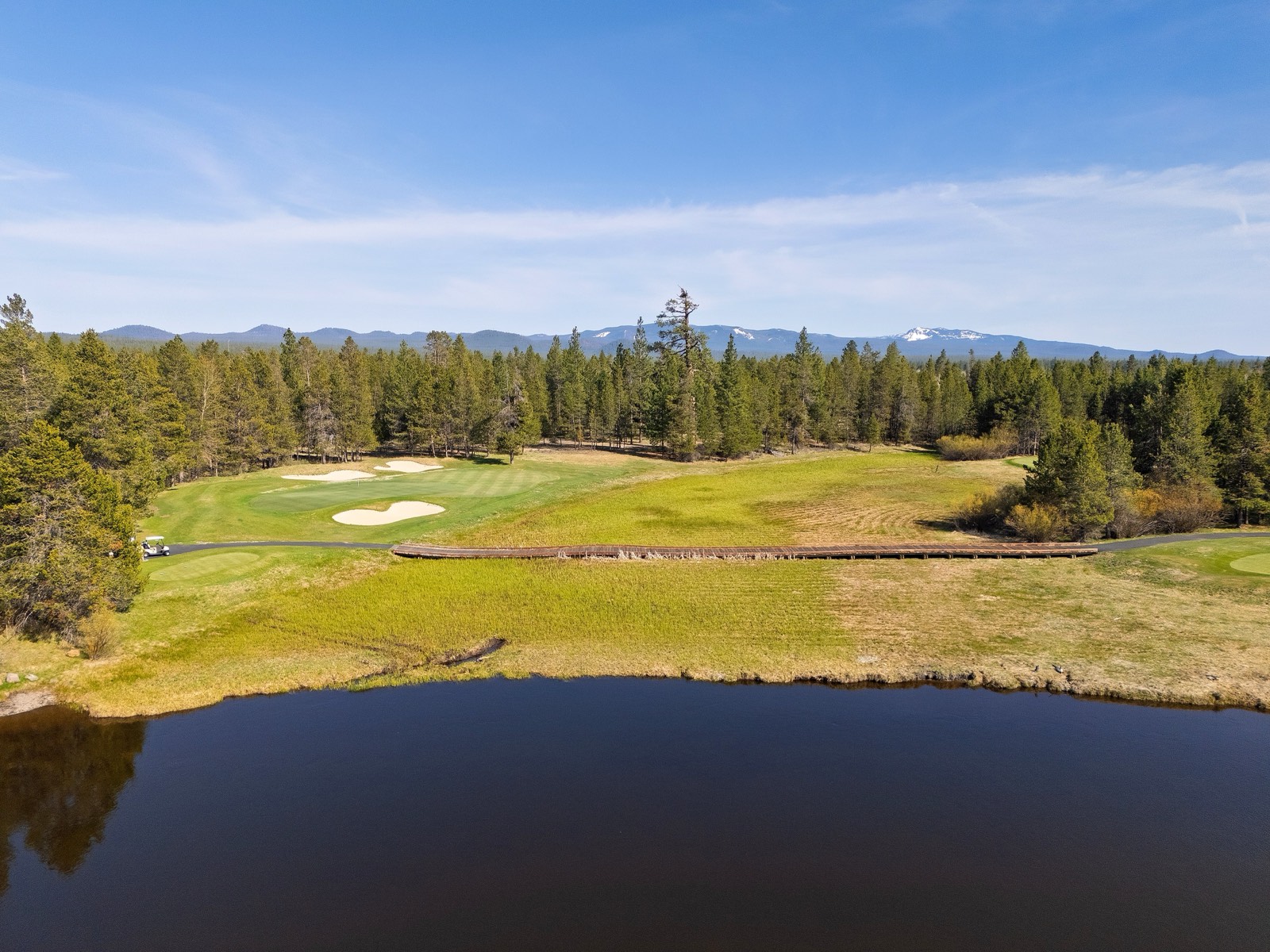
Inside Bend city limits, a short-term rental (under 30 nights) runs under the city's permit system. Homes in unincorporated Deschutes County and resorts like Sunriver follow county and resort rules, so confirm which applies before you make an offer.
Browse Bend homes for sale.
If you're buying a home in Central Oregon to rent out short-term, learn the rules before you make an offer. They differ between the City of Bend, unincorporated Deschutes County and each resort community. Getting them wrong can mean fines, or a home you can't rent the way you planned.
These rules were checked against City of Bend, Deschutes County and Oregon Department of Revenue sources in October 2026. Rules change. Check current requirements with each jurisdiction before you buy.
Bend city short-term rental rules
Bend defines a short-term rental as a rental of fewer than 30 consecutive days. It regulates them through its Development Code and a land-use permit. Every rental also needs a yearly operating license under Bend Code 7.16. (City of Bend)
Permit types
Bend has two land-use permit types.
Type I
- Owner-occupied rentals: up to 2 bedrooms in the home the owner lives in. An ADU or guest house does not qualify.
- Infrequent whole-house rentals: no more than 4 rental periods and under 30 days a year
- Whole-house rentals in commercial or mixed-use zones
- Type I rentals are exempt from the 500-foot spacing rule
Type II
- Whole-house rentals in residential zones, and in MR zones outside the Old Mill District
- Each must be at least 500 feet from any other Type II rental
- There is no numeric cap. The city still issues new Type II permits where no other permitted whole-house rental sits within 500 feet. Check the city's eligibility map.
Areas with no land-use permit: Mt. Bachelor Village, Deschutes Landing, and The Courtyards at Broken Top (units 1-8 and 21-32) need no land-use permit. (City of Bend)
Do permits transfer when a home sells?
Usually not. Permits applied for after April 15, 2015 belong to the owner and are void when the home is sold. Only Vacation Home Rental approvals from before April 15, 2015, and documented nonconforming uses, run with the land. Even then, the new owner must apply for an operating license within 60 days of closing. (BDC 3.6.500.F)
Fees
- Land-use permit, one-time: Type I $1,380.26, Type II $3,840.31, each plus a 4% surcharge
- Operating license: $360 the first year, then $260 a year
- Transportation supplement: $204.80 a year for whole-house rentals, $110.59 for others
The city's FAQ page still lists older figures, so confirm the current fee when you apply. (City of Bend)
Key rules in Bend
- Occupancy: 2 people per bedroom plus 2. For owner-occupied rentals, 2 per rented bedroom plus the residents. (BDC 3.6.500.G)
- Parking: Bend does not require parking. Any on-site spaces must be at least 20 by 9 feet, and new spaces must be paved. A parking diagram must be posted for guests. (BDC 3.6.500.H)
- Emergency contact: a 24/7 contact must be reachable by phone whenever the home is rented. Neighbors within 250 feet must get the contact's details. (City of Bend)
- Safety: owners submit a fire-safety self-inspection checklist with each license application and renewal.
- Renewal: the operating license renews every year. The land-use permit stays valid as long as the license is kept and the home is rented at least once every 12 months.
- Noise: the city's Good Neighbor Guidelines ask guests to be considerate, especially after 10 p.m.
- Fines: operating without a license is a Class A civil infraction. Each day counts as a separate violation, with fines of up to $750 per violation. Repeat violations can lead to suspension or revocation of the license. (BC 1.40.080)
What buyers should know
If you plan to rent a Bend home short-term, ask first whether it has a pre-April 15, 2015 Vacation Home Rental approval that runs with the land. Most newer permits end at the sale.
Without one, your options inside city limits are a Type I rental, a new Type II permit if no permitted whole-house rental is within 500 feet, or a whole-house rental in a commercial or mixed-use zone (Type I). Contact our team or call 541.703.3095 for help with a specific home.
Deschutes County rules (unincorporated areas)
Homes outside city limits but inside Deschutes County follow county rules, which differ from Bend's.
- The county has no short-term rental land-use permit or license. (Deschutes County)
- Owners must register for the 8% transient lodging tax and get a Certificate of Authority (DCCA#). It costs $300 at first and $150 to renew, since September 1, 2025. The DCCA# must appear in every ad. (County Code 4.08)
- The rental must be lawfully established under planning, onsite and building rules. Short-term rentals in accessory structures are not allowed. (Deschutes County)
- The September 2025 code update added registration, the certificate fees and the advertising rules. A licensing program proposed in 2024 was not adopted.
County Planning is the final word on what a specific parcel allows. Ask them (planning@deschutes.org) before you buy, not after.
Resort communities
Several resort communities in Central Oregon allow short-term rentals under their own rules. Those rules come from each community's governing documents, so confirm them with the HOA before you buy.
Sunriver
The Sunriver Owners Association (SROA) allows short-term rentals and runs vacation rental programs, including Recreation Plus. SROA rules set quiet hours from 10 PM to 7 AM, allow no overnight RVs, and limit parking to driveways. Individual associations inside Sunriver may add their own rules. (SROA)
Caldera Springs, Eagle Crest and Brasada Ranch
Caldera Springs, Eagle Crest and Brasada Ranch each set rental rules in their own governing documents. Ask for those documents and read them before you make an offer.
Tax obligations
Short-term rental owners in Central Oregon collect and remit several taxes.
Transient room tax: the rate follows the jurisdiction the home sits in. Inside a city, the city rate applies. Outside every city, the county rate applies.
- City of Bend: 10.4% (City of Bend). Type I infrequent-use rentals are exempt.
- City of Redmond: 9% (City of Redmond)
- Unincorporated Deschutes County: 8% (Deschutes County)
- Unincorporated Crook County: 8.5% (Crook County)
Deschutes County collects its 8% only outside the city limits of Bend, Redmond, Sisters and La Pine. Sunriver, Caldera Springs and Eagle Crest sit in that unincorporated area, so the county rate applies to them. Brasada Ranch sits in Crook County near Powell Butte, so the Crook County rate applies there.
State lodging tax: Oregon charges 1.5% on stays ending on or before December 31, 2026. The rate rises to 2.75% for stays ending on or after January 1, 2027. The extra 1.25% must be labeled a "nature conservation fee" on receipts. (Oregon Department of Revenue)
Rates change. Check the current rate with the agency that collects it before you build it into your numbers.
Platforms: Airbnb and Vrbo collect and remit some taxes for you, but you are still responsible. Deschutes County requires owners to file reports even when a platform remits the tax. (Deschutes County)
What to check before you buy
- Which jurisdiction the home sits in: City of Bend, unincorporated county, or another city
- In Bend: the permit type that fits, and whether another permitted whole-house rental sits within 500 feet
- Whether the home has a pre-April 15, 2015 approval that runs with the land
- In the county: whether the rental is lawfully established, and the steps to get a DCCA#
- HOA or resort rules on rentals, such as minimum stays, parking and quiet hours
- Current tax rates and who collects them
- Any pending rule changes in the jurisdiction
Our team can help you check the rules for a specific home. Call 541.703.3095, or see our current listings.