
Central Oregon
98 posts
 Real Estate Commission in Bend, OregonWhat our listing fee is, how the buyer's agent gets paid since the 2024 rule changes, what Oregon law requires in writing, and what you pay besides commission.
 Well Water Testing When You Sell an Oregon HomeOregon requires the seller to test a domestic well for arsenic, nitrates and total coliform bacteria after accepting an offer. Here is how it works.
 Septic Systems in an Oregon Home SaleWho pumps the tank, who pays for the septic inspection, and what happens if problems turn up, under Oregon's standard septic addendum.
 Home Warranties in Oregon: Who Pays?Whether there is a home warranty in an Oregon sale, and who pays for it, is set in the sale agreement. Here is how that section works.
 Oregon Withholding and FIRPTA When You Sell a HomeWhen escrow holds back money for Oregon tax or federal FIRPTA, who it applies to, how much it is, and the exemptions sellers should know before closing.
 Redmond Oregon Market Report: September 2026Redmond's September 2026 numbers from our MLS database: a $532,000 median sale price, down from a year ago, 68 homes sold, and where supply sits today.Bend Oregon Market Report: September 2026Bend's September 2026 numbers from our MLS database: a $759,000 median sale price, down from a year ago, 199 homes sold, and where supply sits today.Closing Costs for Home Buyers in Bend, OregonLender fees, title and escrow, the county recording fee, prepaids, FHA and VA program fees, and no transfer tax. Plus how a seller credit changes the cash you bring.
 Vandevert Ranch Sold One Home in 12 Months. Should You Still Try to Buy One?One home sold at Vandevert Ranch in the last 12 months, and dues and price figures don't clear our shop's own floors. What we can verify before you wait on a listing.
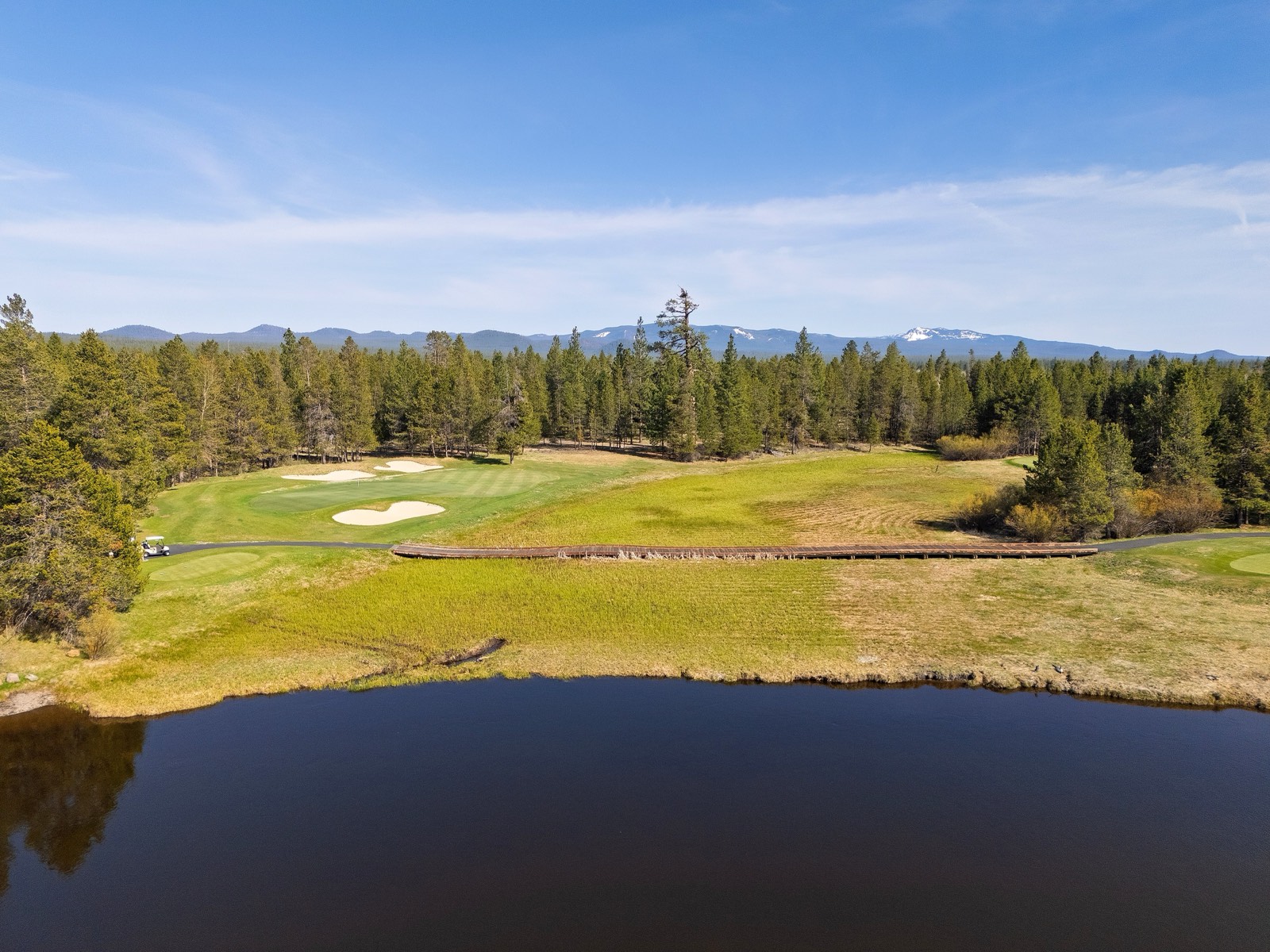 Crosswater Sold Just One Home in the Last 12 Months. Here's What Buying In Actually CostsCrosswater sold one home in 12 months. The real HOA dues, club membership costs, and SROA fees, sourced, for buyers weighing this private Sunriver community.
 Second Home or Rental? What Buying at Inn of the 7th Mountain Actually MeansOwnership here is part condo, part rental program, part timeshare. What that means before you buy, and why we won't publish a price or dues figure yet.
 Mountain High: 8 Sales in 12 Months, a $210 HOAWhat Mountain High's HOA dues cover, what the public Old Back Nine course costs to play, when the homes were built, and the rental rules that apply.
Index