




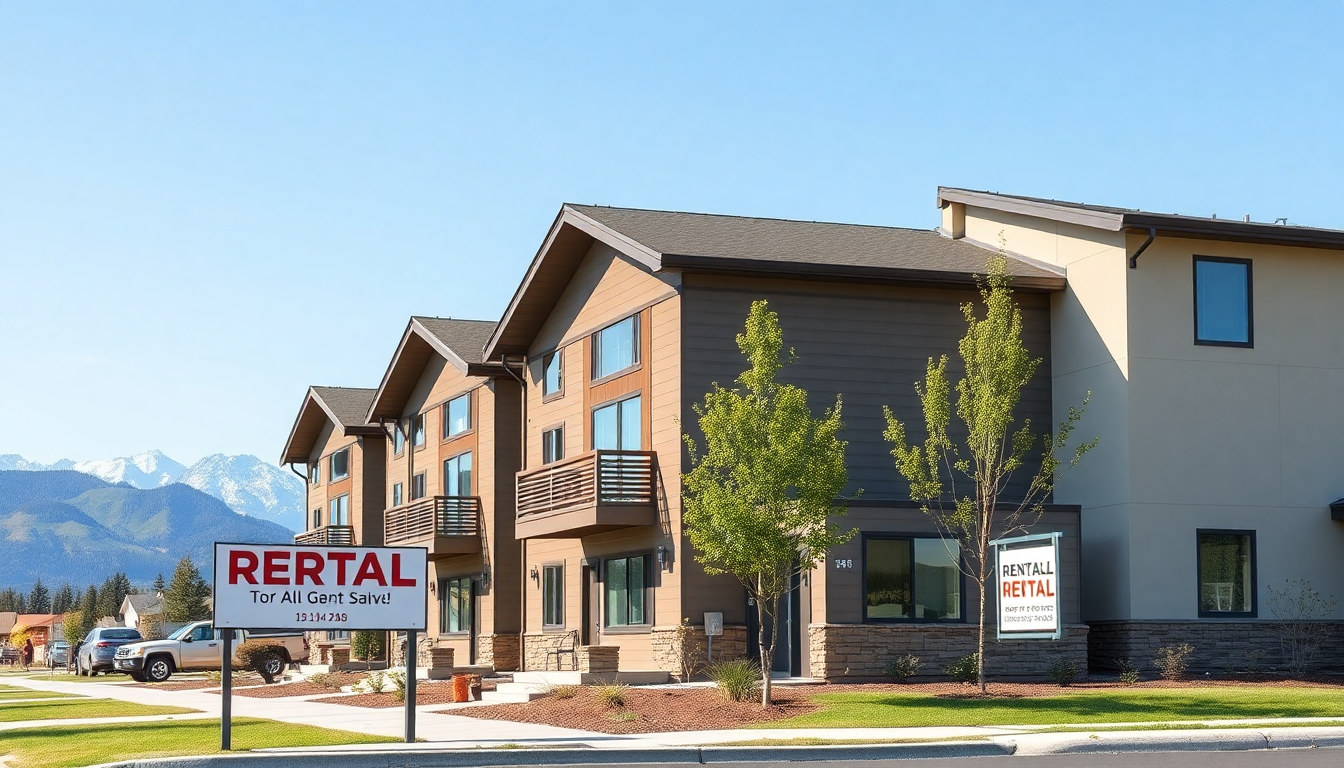
Central Oregon gets a lot of attention from investors, and for reasonable reasons. Population growth, tourism, a diversified economy, and desirable lifestyle factors all contribute to property demand. But a good real estate market to live in and a good real estate market to invest in are not always the same thing. Let’s look at the actual data and figure out where the opportunities and risks really sit.
Historical Appreciation Data
Between 2015 and 2025, median home prices in Deschutes County rose from approximately $285,000 to $585,000, representing compound annual growth of roughly 7.5%. That’s significantly above the national average of 5.4% over the same period. Crook County saw even steeper percentage gains, climbing from $175,000 to $385,000, though from a lower base.
However, that 10-year figure smooths over some meaningful volatility. During the 2020 to 2022 run-up, Bend proper saw year-over-year gains exceeding 20% in some quarters. Since late 2022, appreciation has moderated to the 3% to 5% annual range in most submarkets. Redmond has held steadier than Bend, partly because its price point attracts more primary-residence buyers who are less sensitive to market cycles.
The lesson: Central Oregon has outperformed most of the country over the past decade, but that performance was not a straight line. Anyone expecting 20% annual gains going forward is setting themselves up for disappointment. A more realistic long-term expectation is 4% to 6% annual appreciation, which still beats most Oregon markets outside Portland metro.
Population Growth as a Demand Driver
Deschutes County’s population grew from about 166,000 in 2015 to roughly 210,000 by 2025, a rate of approximately 2.4% per year. That’s more than double the national average. Bend alone added over 15,000 residents in that span. Redmond has been growing even faster on a percentage basis, fueled by more affordable housing and commercial expansion along Highway 97.
What’s driving the migration? Remote work opened Central Oregon to knowledge workers from Portland, Seattle, the Bay Area, and beyond. The region’s outdoor recreation access, relative affordability compared to those metro areas, and quality of life continue to attract newcomers. Healthcare and tech sectors have expanded, with St. Charles Health System, OnTrac, and several tech firms adding jobs.
Population growth is probably the single most important metric for long-term real estate investment. More people means more demand for housing, which supports both property values and rental rates. But growth also means more construction, which can temper price increases. Bend issued permits for over 1,200 new housing units in 2024, including multifamily. Supply is responding to demand, which is healthy for the overall market even if it moderates investor returns.
Vacation Rental Potential
Tourism drives a significant piece of Central Oregon’s economy. Mt. Bachelor sees around 400,000 skier visits per year. The Old Mill District, Sunriver Resort, Smith Rock, and the Cascade Lakes attract millions of visitors annually. That visitor traffic creates genuine short-term rental demand.
Resort communities like Sunriver, Caldera Springs, Eagle Crest, and Brasada Ranch allow vacation rentals under their resort zoning, which makes them the most straightforward option for investors. A well-managed vacation rental in Sunriver can gross $50,000 to $90,000 per year depending on size, condition, and proximity to amenities. Caldera Springs properties typically command higher nightly rates but have shorter peak seasons.
Within Bend city limits, short-term rental regulations have tightened considerably. The city caps permits by zone and type, and enforcement has increased. This regulatory environment is something investors need to understand deeply before purchasing. We cover this in detail in our vacation rental rules guide.
Net yields on vacation rentals, after management fees (typically 20% to 30% of gross), maintenance, insurance, taxes, and mortgage payments, tend to run between 2% and 5% cash-on-cash for leveraged properties. That’s before appreciation. Some owners lose money on cash flow but make it up through appreciation and personal use value, which blurs the line between investment and lifestyle purchase.
Long-Term Rental Market
Bend’s long-term rental market is tight. Vacancy rates have hovered between 2% and 4% for the past several years, well below the 5% to 7% national average. Monthly rents for a three-bedroom house in Bend range from $2,000 to $3,000, depending on neighborhood and condition. In Redmond, comparable properties rent for $1,600 to $2,200.
The challenge for long-term rental investors is that Central Oregon’s price-to-rent ratios are elevated. A $600,000 house in Bend renting for $2,500 per month produces a gross rent multiplier of 240, which is stretched by any traditional metric. Cap rates for single-family rentals typically run 3% to 4.5% before leverage. That’s not terrible, but it’s not the 6% to 8% you might find in Midwest markets.
Where long-term rentals make more sense is in Redmond, La Pine, Madras, and Prineville, where purchase prices are lower relative to rents. A $375,000 house in Redmond renting for $1,800 per month produces a better cash flow picture, especially with the area’s strong tenant demand from Deschutes County workers who’ve been priced out of Bend.
Comparison to Other Oregon Markets
How does Central Oregon stack up against other Oregon investment markets?
- Portland Metro: Higher absolute prices, lower appreciation rates recently, more regulatory complexity (rent control, relocation costs), but larger tenant pool and more diverse economy. Cap rates are similar to Bend.
- Salem/Corvallis: Lower entry prices, decent rental demand from state workers and students, but limited appreciation upside and less tourism income potential.
- Southern Oregon (Medford/Ashland): Lower prices, decent rental demand, but wildfire risk is significantly higher and the economy is less diversified. Ashland has tourism appeal but a small market.
- Oregon Coast: Strong vacation rental demand, but seasonal cash flow gaps, higher maintenance costs from marine climate, and limited long-term rental demand outside of Lincoln City and Newport.
Central Oregon’s advantage is the combination of population growth, economic diversification, tourism demand, and lifestyle appeal. Few Oregon markets offer all four. The trade-off is higher entry prices and more regulatory complexity around short-term rentals.
Risk Factors to Consider
No honest investment analysis skips the risks, and Central Oregon has specific ones that matter.
Wildfire Risk
Much of Central Oregon sits in the Wildland-Urban Interface (WUI). The 2017 Milli Fire near Sisters and the 2020 fires that devastated parts of the Santiam Canyon are reminders that this risk is real. Insurance costs for properties in high-fire-risk areas have increased 30% to 50% over the past five years, and some carriers have pulled out of certain zones entirely. This directly impacts your carrying costs and can affect resale value.
Firewise-certified communities and properties with defensible space are easier to insure and tend to hold value better. If you’re evaluating an investment property, understand its fire risk rating and what insurance will actually cost. Read our insurance guide for the full picture.
Water Supply
Central Oregon is a high desert. Water rights, groundwater levels, and irrigation district policies all affect property values, particularly for rural parcels. The Deschutes Basin has active water management plans, and the Oregon Water Resources Department monitors groundwater carefully. Properties on well water may face future restrictions. This is more of a long-term concern than an immediate crisis, but smart investors pay attention to it.
Regulatory Changes
Oregon has statewide rent control (capped at CPI + 7% per year for properties over 15 years old), and local jurisdictions can layer on additional regulations. Bend’s short-term rental rules have changed multiple times in recent years, and more changes are possible. Regulatory risk is real, and it’s harder to price than market risk.
Market Concentration
Central Oregon’s economy, while more diversified than it was 20 years ago, still leans heavily on construction, tourism, and healthcare. A severe recession that hits those sectors disproportionately would affect the housing market. The 2008 crash hit Bend harder than the national average, with prices dropping roughly 40% from peak to trough.
Types of Investment Properties Available
What can you actually buy as an investor here? The options break down roughly as follows:
- Resort community condos and homes: Sunriver, Eagle Crest, Caldera Springs, Brasada Ranch. Best for vacation rental income. Entry points range from $350,000 (Eagle Crest condo) to $1.5 million-plus (Caldera Springs home).
- Single-family homes in Bend: Best for long-term rentals or live-and-rent strategies. Entry point typically $475,000 and up. Short-term rental permits are limited and hard to obtain.
- Single-family homes in Redmond, La Pine, or Prineville: Better cash flow math for long-term rentals. Entry points $300,000 to $500,000. Growing tenant demand.
- Multi-family properties: Duplexes and triplexes in Bend and Redmond offer better per-door economics. Limited inventory but strong demand when available. Entry points $500,000 to $900,000.
- Land: Raw land in the path of growth can offer significant upside but comes with carrying costs, entitlement risk, and no income while you hold. Not for passive investors.
Browse available properties across the region on our listings page.
Realistic ROI Expectations
Let’s put some numbers on this. For a typical leveraged investment in Central Oregon:
Scenario: $500,000 home in Redmond, 25% down ($125,000), long-term rental at $2,000/month
- Annual gross rent: $24,000
- Mortgage payment (6.5%, 30-year): approximately $2,370/month ($28,440/year)
- Property taxes: approximately $3,750/year
- Insurance: approximately $1,800/year
- Maintenance reserve (1%): $5,000/year
- Vacancy (5%): $1,200/year
- Total expenses: approximately $40,190/year
- Net cash flow: negative $16,190/year (that is a cash loss)
On cash flow alone, this investment loses money in year one. But factor in principal paydown (roughly $5,400 in year one), tax benefits (depreciation, interest deduction), and 4% appreciation ($20,000), and the total return on your $125,000 investment is approximately 7.4%. That’s a reasonable return, but it requires patience, capital reserves for the negative cash flow, and confidence in continued appreciation.
Vacation rental scenarios can look better on cash flow but carry higher management burden and regulatory risk. Long-term, the most reliable path to wealth through Central Oregon real estate is buying well, holding for a decade or more, and letting population growth and appreciation do the heavy lifting.
The Bottom Line
Is Central Oregon a good real estate investment? The honest answer: it can be, for the right buyer with the right expectations. The fundamentals are solid. Population is growing, the economy is diversifying, the lifestyle continues to attract migration, and supply is constrained by geography and regulation.
But it’s not a slam dunk. Entry prices are high, cash flow is tight, regulatory risk is real, and wildfire is an ongoing concern. The investors who do well here tend to buy properties they understand deeply, hold for the long term, and have enough capital reserves to weather market cycles without being forced to sell.
If you’re considering an investment purchase, our team can help you evaluate specific properties and run realistic numbers. We’d rather talk you out of a bad deal than into a good-sounding one.