




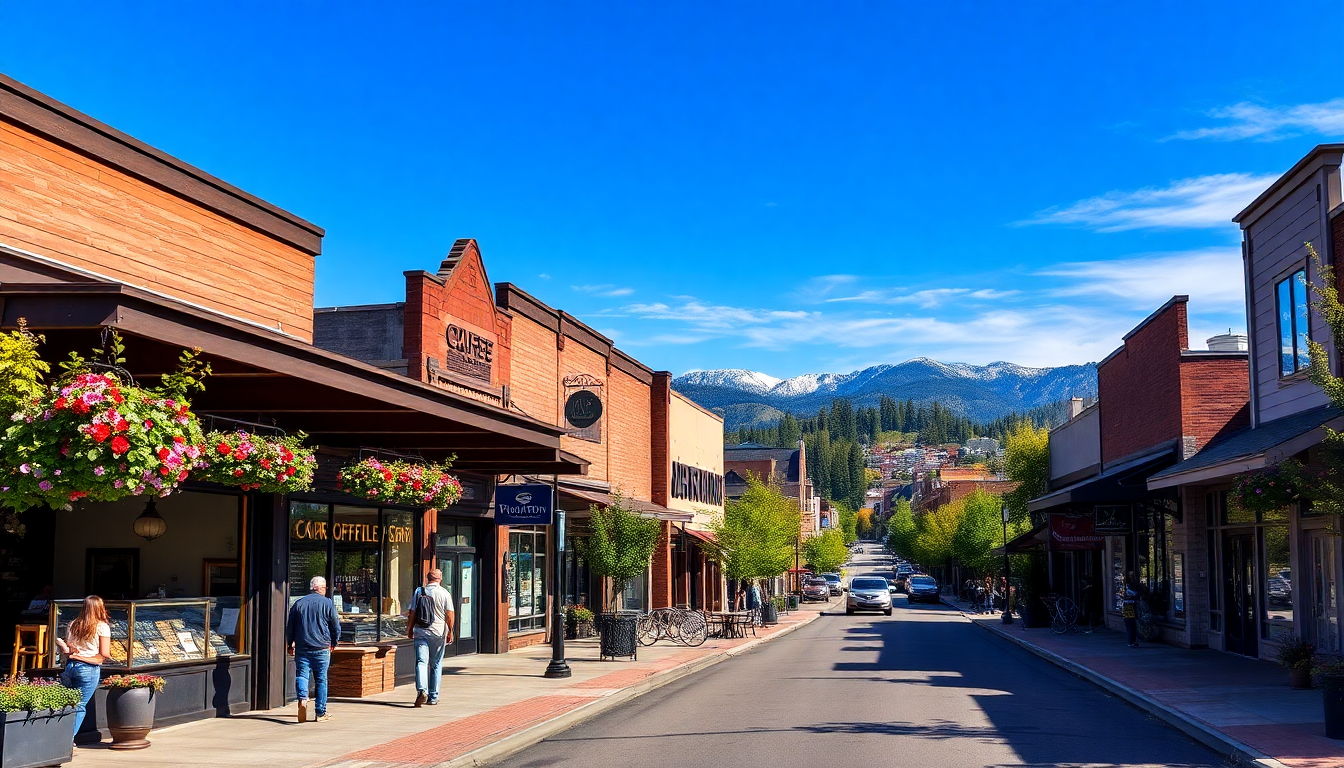
Every “cost of living” article about Bend starts with the same vague assurance: “it’s more affordable than the coast cities.” That’s technically true and almost entirely useless for anyone trying to build an actual budget. This guide breaks down what living in Bend costs in specific dollar amounts, category by category, so you can build a realistic financial picture before you make the move. All figures are based on mid-2025 data for a household of two adults.
Housing Costs by Neighborhood and Type
Housing is the biggest line item, and it varies dramatically depending on where and what you buy. Here are realistic ranges based on current market data:
Buying
Entry-level condo or townhome: $300,000 to $425,000. These are typically 2-bedroom units in SE Bend or along the highway corridor. HOA fees of $200 to $400 per month are common and cover exterior maintenance and sometimes utilities.
Standard single-family home (3 bed, 2 bath, 1,400-1,800 sq ft): $475,000 to $650,000 on the east side; $550,000 to $750,000 on the west side. The west-side premium is consistent and reflects proximity to trails, schools, and downtown.
Larger family home (4+ bed, 2,000+ sq ft): $600,000 to $850,000 in most neighborhoods. In premium areas like NW Crossing, Awbrey Butte, or Broken Top, $900,000 to $1.5 million or more.
Monthly mortgage payment on a $550,000 home (assuming 20% down, $440,000 loan, 6.5% rate, 30-year fixed): approximately $2,780 for principal and interest. Add property taxes ($367/month), insurance ($175/month), and you’re at roughly $3,322 per month before any HOA fees.
Renting
Studio or 1-bedroom apartment: $1,200 to $1,700 per month.
2-bedroom apartment: $1,800 to $2,400 per month.
3-bedroom house: $2,200 to $3,200 per month.
Rental vacancy rates in Bend are low, typically under 3%. Finding a rental can take weeks of active searching, and landlords often receive multiple applications for each unit. Having strong rental history, good credit, and willingness to act fast helps considerably.
Property Taxes
Oregon’s property tax system is unusual. Measure 5 (1990) and Measure 50 (1997) capped assessed values and limited how fast they can grow (3% per year maximum). This means your assessed value for tax purposes is often significantly lower than your home’s market value.
In practice, effective property tax rates in Deschutes County run about 0.7% to 0.9% of market value for most properties. On a home with a market value of $600,000, you might pay $4,200 to $5,400 per year. New construction is assessed at market value initially, so brand-new homes carry higher tax bills in the early years compared to equivalent older homes.
Oregon has no sales tax, which partly offsets the property tax burden, especially if you’re a consumer who makes significant purchases. More on that below.
Utilities
Monthly utility costs for a typical 1,800 sq ft home in Bend:
- Electricity: $80 to $150 per month (higher in winter with electric heat; homes with heat pumps are increasingly common and more efficient)
- Natural gas: $30 to $60 per month in summer, $80 to $180 in winter for gas-heated homes
- Water and sewer: $65 to $120 per month. Bend’s water rates are moderate, but irrigation for landscaping during dry summer months adds up quickly
- Garbage and recycling: $35 to $50 per month
- Internet: $60 to $100 per month for broadband. BendBroadband (TDS) and CenturyLink are the primary providers. Fiber is available in some neighborhoods
- Cell phone: Coverage from major carriers is generally good in the Bend city limits. Rural areas and mountain roads have significant dead zones
Total utilities estimate: $350 to $560 per month, depending on home size, heating method, and season.
Groceries
Grocery costs in Bend run about 5% to 10% above the national average. There’s no single cause; it’s a combination of transportation costs to a relatively isolated area and higher-than-average local wages pushing up retail prices.
Monthly grocery estimates for two adults:
- Budget-conscious shopping (Grocery Outlet, WinCo in Redmond, Costco): $500 to $650
- Mixed shopping (Safeway, Fred Meyer, some specialty items): $700 to $900
- Premium and organic focus (Newport Market, Whole Foods-style shopping): $900 to $1,200
Farmers’ markets operate from May through October and offer good prices on seasonal produce. Many Bend residents supplement grocery shopping with farmers’ market purchases during the growing season.
Healthcare
Healthcare costs in Bend are broadly in line with Oregon averages, but access challenges can create indirect costs.
- Health insurance (marketplace plan, Silver tier, two adults): $800 to $1,400 per month, depending on age and income (subsidies reduce this for many households)
- Employer-sponsored health insurance (employee share): $250 to $600 per month for family coverage
- Dental insurance: $50 to $100 per month for two adults
- Out-of-pocket dental (no insurance, cleanings and routine care): $400 to $800 per year per person
- Specialist travel: Some specialists require trips to Portland. Budget for occasional day trips including gas, potential hotel, and meals if you have ongoing specialist needs
Oregon expanded Medicaid (Oregon Health Plan) covers individuals earning up to 138% of the federal poverty level. If you’re transitioning between jobs or have variable income, this is worth investigating.
Childcare
Childcare in Bend is expensive and competitive. Waitlists at popular daycare centers can be six months or longer.
- Infant care (full-time daycare): $1,200 to $1,800 per month
- Toddler care (full-time): $1,000 to $1,500 per month
- Preschool (half-day program): $500 to $800 per month
- After-school care (elementary age): $400 to $700 per month
- Summer camps and programs: $200 to $500 per week, depending on the activity
For a family with two children under five, childcare can easily exceed the mortgage payment. This is one of the most significant costs that relocating families underestimate.
Transportation
You’ll need a car in Bend. Public transit is limited in routes and frequency, and the city is spread out enough that biking isn’t practical for most year-round commuting.
- Gas: Oregon gas prices typically run $0.30 to $0.50 above the national average. Budget $150 to $250 per month per car depending on commute distance
- Car insurance: $100 to $200 per month per vehicle. Oregon requires minimum liability coverage, but comprehensive coverage is advisable given wildlife, winter driving, and gravel road conditions
- Vehicle maintenance: Budget extra for snow tires ($600 to $1,000 per set, lasting 3-4 seasons) and the wear from rough roads if you recreate on forest roads frequently
- Parking: Free in most of Bend, though downtown has some metered areas. This is a significant savings compared to Portland or Seattle
Oregon Income Tax (No Sales Tax)
Oregon’s tax structure is unusual and worth understanding before you move.
No sales tax. This is real and meaningful. If you’re coming from Washington (no income tax, high sales tax), you’ll notice the income tax hit but save on every purchase. If you’re coming from California (both income tax and sales tax), you’ll save on the sales tax side. Oregon’s top marginal income tax rate is 9.9% on income above approximately $125,000 (single) or $250,000 (married filing jointly). There’s also the statewide transit tax of 0.1%.
For a household earning $150,000 per year, Oregon state income tax will be approximately $10,000 to $12,000 per year. That’s significant but offset by no sales tax savings of roughly $2,000 to $4,000 annually depending on spending habits.
Oregon also has a Corporate Activity Tax (CAT) that indirectly affects prices on goods and services from Oregon businesses. You won’t see it on a receipt, but it’s baked into costs.
Comparison to Other West Coast Cities
Here’s how Bend compares to cities that people commonly relocate from, using total monthly costs for a household of two adults (renting a 2-bedroom or carrying a mortgage on a median-priced home):
Bend vs. Portland, Oregon: Housing in Bend is roughly comparable to Portland’s inner suburbs, but Bend’s higher grocery costs and more limited healthcare options can add $200 to $400 per month. Transportation costs are similar. The lifestyle difference is the main draw, not the cost savings.
Bend vs. Seattle, Washington: Bend housing is 25% to 40% cheaper than Seattle’s. You’ll pick up Oregon income tax (Seattle has none via Washington state), but save on sales tax. Net savings of roughly $1,000 to $2,500 per month depending on housing choice.
Bend vs. San Francisco Bay Area: Bend is dramatically cheaper. Housing costs are 50% to 65% lower, and overall cost of living is 35% to 45% lower. A household spending $10,000 per month in the Bay Area might spend $6,000 to $7,000 in Bend for a similar lifestyle. For Bay Area remote workers maintaining their salaries, Bend offers a significant quality-of-life upgrade.
Bend vs. Boise, Idaho: Roughly comparable housing costs, though Boise has been catching up. Idaho has lower income tax rates, which gives Boise a modest tax advantage. Outdoor access is comparable but different in character.
Where People Save vs. Overspend
Based on conversations with recent transplants, here’s where budgets tend to go sideways:
Where You’ll Save
- No sales tax on all purchases, including big-ticket items like vehicles, appliances, and furniture
- Free parking almost everywhere
- Lower commute costs due to shorter distances
- Entertainment spending decreases because outdoor activities replace paid entertainment for many residents
Where You’ll Overspend
- Outdoor gear. Ski passes ($900 to $1,500 per person), bikes ($2,000 to $8,000), paddleboards ($500 to $1,200), camping gear, trail running shoes. This adds up fast in the first two years.
- Dining out. Bend restaurants are not cheap. Average dinner for two at a mid-range restaurant: $80 to $120 with drinks.
- Home maintenance. The dry climate, altitude, and temperature swings are hard on homes. Budget more for exterior painting, deck maintenance, and roof upkeep than you would in a milder climate.
- Heating. Winter heating costs catch newcomers off guard, especially if the home has older insulation or electric baseboard heat.
Budgeting Tips for New Residents
- Buy a Mt. Bachelor season pass if you ski. At $900 to $1,200, it pays for itself after about 12 days. Daily lift tickets are $130 or more.
- Shop at WinCo in Redmond or Costco for staples. The savings over Safeway and Newport Market are meaningful over a year.
- Get a library card. The Deschutes Public Library system is excellent, offers free access to passes for state parks and museums, and hosts community events.
- Budget for the first year separately. Between gear purchases, setting up a house, and exploring the area, year one costs significantly more than year two and beyond. Don’t judge your ongoing cost of living by your first twelve months.
- Consider a roommate or house hack. With rental demand as high as it is, having a spare room or ADU (Accessory Dwelling Unit) can offset $800 to $1,500 per month in housing costs. Bend has liberalized its ADU policies in recent years.
Insurance Costs
Insurance is a category that catches many newcomers off guard, particularly homeowners insurance.
Homeowners insurance: Standard policies for homes not in the Wildland-Urban Interface (WUI) zone run $1,200 to $2,500 per year. However, many desirable Bend neighborhoods on the west side are in the WUI zone, and insurance for these properties has become significantly more expensive and harder to obtain following the 2020 wildfire season. WUI zone homes can see premiums of $3,000 to $6,000 per year, and some insurers have stopped writing new policies in these areas entirely. If you’re buying in a forested area, get insurance quotes before finalizing your purchase.
Auto insurance: Oregon requires minimum liability coverage (25/50/20). Full coverage on a mid-range vehicle runs $1,200 to $2,400 per year per vehicle in Bend. Comprehensive coverage is recommended given deer collisions, rock chips from gravel roads, and winter driving conditions.
Umbrella insurance: Worth considering if you own property in a tourist-heavy area or have significant assets. $1 million umbrella policies typically run $200 to $400 per year.
Entertainment and Recreation Costs
Bend’s recreation opportunities are abundant, but they’re not all free. Here’s what the “outdoor lifestyle” actually costs per year for a moderately active household of two:
- Mt. Bachelor season ski passes (2 adults): $1,800 to $3,000
- Mountain bikes (one-time, entry to mid-level): $2,000 to $5,000 each, plus $200 to $400 per year in maintenance
- Golf (public courses, seasonal play): $1,500 to $3,500 per person per season
- Gym or climbing gym membership: $50 to $100 per person per month
- Paddleboard or kayak (one-time purchase): $500 to $1,500
- Camping gear (initial setup): $500 to $2,000
- Trail running shoes (2 to 3 pairs per year if you’re active): $300 to $500
The free activities are genuinely free and genuinely good. Hiking, trail running, river access, and park use cost nothing beyond gas and gear. The paid activities are where budgets expand. Most Bend households find a sweet spot of one or two “spendy” activities (skiing and biking are the most common combination) supplemented by low-cost outdoor pursuits the rest of the year.
Dining and Social Costs
Eating out in Bend is not cheap. The cost of food, labor, and real estate for restaurants translates to prices that surprise people coming from cities with more competition.
- Coffee (drip): $3 to $5
- Coffee (specialty latte): $5.50 to $7
- Casual lunch (sandwich shop, burrito): $12 to $18 per person
- Mid-range dinner (entree and one drink): $35 to $55 per person
- Upscale dinner (multi-course with wine): $75 to $120 per person
- Brewery pint: $6 to $8
- Cocktail at a bar: $12 to $16
A couple that dines out twice a week at mid-range restaurants can easily spend $500 to $700 per month on dining alone. Many Bend residents learn to cook well as a direct financial response to restaurant prices.
Sample Monthly Budgets
Here are three illustrative monthly budgets for different household types in Bend:
Budget-Conscious Single Professional (renting)
- Rent (1BR apartment): $1,500
- Utilities: $150
- Groceries: $400
- Car payment/insurance/gas: $500
- Health insurance (employer-subsidized): $200
- Phone/internet: $120
- Dining out/entertainment: $300
- Outdoor activities/gym: $100
- Total: approximately $3,270/month ($39,240/year)
Couple, Homeowners, No Children
- Mortgage (on $550K home, 20% down): $3,322
- Utilities: $400
- Groceries: $750
- Two cars (payments/insurance/gas): $900
- Health insurance: $500
- Phone/internet: $200
- Dining out/entertainment: $500
- Outdoor activities/ski passes: $350
- Home maintenance reserve: $450
- Total: approximately $7,372/month ($88,464/year)
Family of Four, Homeowners
- Mortgage (on $650K home, 20% down): $3,900
- Utilities: $500
- Groceries: $1,100
- Two cars (payments/insurance/gas): $1,000
- Health insurance (employer-sponsored family plan): $600
- Childcare (one toddler, one school-age in after-school): $1,800
- Phone/internet: $250
- Dining out/entertainment: $400
- Kids’ activities/sports: $200
- Home maintenance: $500
- Total: approximately $10,250/month ($123,000/year)
These budgets assume no debt beyond the mortgage and don’t include savings, retirement contributions, or income taxes. They’re meant to give you a realistic floor for what comfortable living in Bend actually requires.
The honest truth: Bend is not a cheap place to live, and it’s getting more expensive. But it’s meaningfully less expensive than the major metro areas most transplants come from, and the quality-of-life calculus, morning ski laps, afternoon river floats, evening sunsets over the Cascades, is hard to put a price tag on. Visit our listings page to explore what’s available in your budget, or check the housing market page for current trend data.