




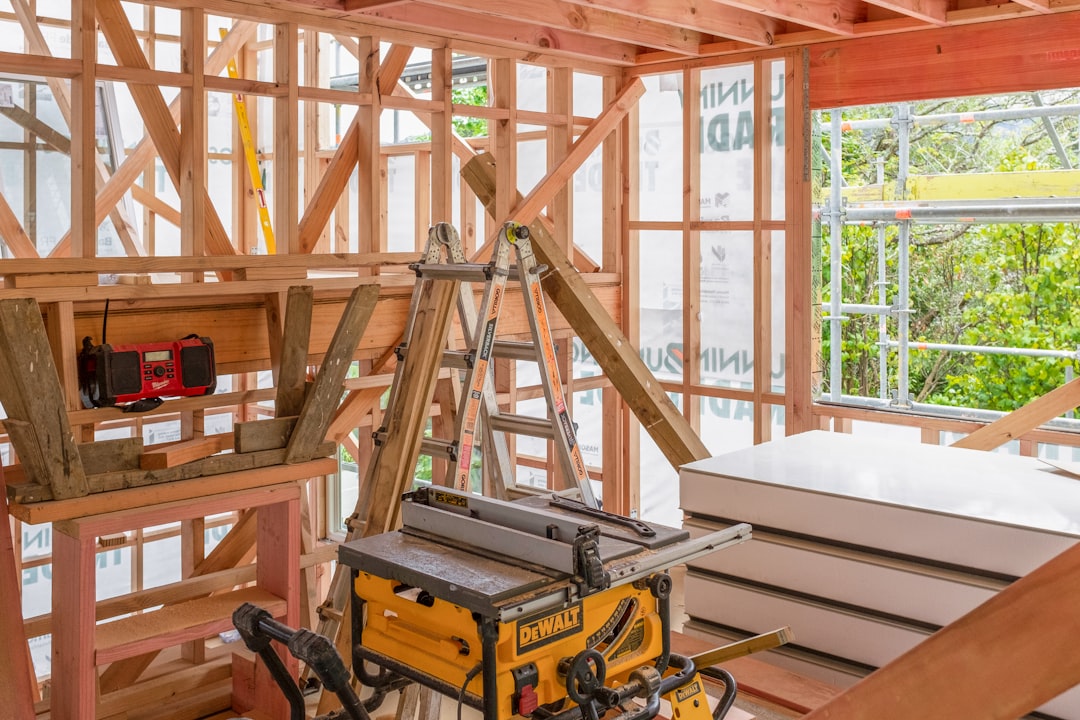
If you’re planning to build in Central Oregon, whether it’s a new home, an ADU, a renovation requiring permits, or a commercial project, the permitting timeline will be one of the most important variables in your planning. It’s also one of the most commonly underestimated. Based on current processing data from Deschutes County (as of early 2025), here is what the actual timelines look like and what you can do to navigate them efficiently.
Current Processing Times
Deschutes County publishes processing time estimates for various permit types. The numbers are straightforward, but the implications for project planning are significant:
Residential Building Permits
- Intake review: 2 weeks
- Planning review: 12 weeks
- Building review: 3 weeks
- Total estimated time: 17 weeks (approximately 4 months)
Septic Permits
- Intake: 2 weeks
- Review: 3 weeks
- Total: 5 weeks
Driveway/Access Permits
- Intake: 2 weeks
- Review: 5 weeks
- Total: 7 weeks
These are estimates, not guarantees. Complex projects, incomplete applications, or applications requiring additional review (environmental, historical, or design review) can extend timelines. Conversely, simple projects with complete applications sometimes move faster.
Why 12 Weeks for Planning Review
The planning review phase is where most of the time goes, and for good reason. Planning review ensures that the proposed project complies with zoning requirements, setback standards, height limits, lot coverage maximums, parking requirements, and environmental regulations. For projects in areas with overlay zones (wildfire hazard, flood zones, airport influence), additional review layers apply.
Deschutes County’s planning staff handles a high volume of applications across a large geographic area, from urban Bend and Redmond to rural properties and unincorporated areas. Staffing levels, while improved in recent years, haven’t fully kept pace with the volume of development activity in Central Oregon.
What This Means for Your Project Timeline
The practical implication is that you need to add four to five months of permitting time to your construction timeline before a single shovel hits the ground. For a new home, a realistic timeline from “I want to build” to moving in might look like this:
- Design and engineering: 2-4 months
- Permit application and review: 4-5 months
- Construction: 8-14 months (depending on size and complexity)
- Final inspections and certificate of occupancy: 2-4 weeks
That’s a total of 14 to 23 months from starting the design process to moving in. If you’re buying land with the intention of building, this timeline should inform your financial planning, including how long you’ll carry the land loan before you can convert to a construction loan and eventually a permanent mortgage.
How to Minimize Delays
While you can’t control the county’s review timeline, you can control the quality and completeness of your application. Incomplete applications are the single biggest cause of preventable delays.
Hire experienced professionals. An architect or designer who regularly works with Deschutes County knows the submission requirements, common review comments, and how to anticipate issues before they cause rejections. The cost of experienced professional services is almost always recovered in time savings.
Submit complete applications. Every missing document, unclear drawing, or incomplete form creates a correction cycle that adds weeks. Review the county’s checklist thoroughly before submitting. If in doubt about a requirement, call the planning department and ask. They would rather answer questions upfront than process incomplete applications.
Address site-specific issues early. If your property has wetlands, steep slopes, wildfire hazard overlay, or septic requirements, identify these constraints during the design phase, not after you’ve submitted for permits. Environmental reports, geotechnical studies, and septic feasibility tests take time to complete and should be in hand before you apply.
Consider pre-application meetings. Both Deschutes County and the City of Bend offer pre-application conferences where you can discuss your project with planning staff before submitting. These meetings can identify potential issues, confirm zoning compliance, and clarify requirements. The small investment of time in a pre-application meeting can prevent much larger delays later.
City of Bend vs. Deschutes County
If your project is within Bend city limits, your permits go through the City of Bend’s Community Development Department rather than Deschutes County. Processing times vary between the two jurisdictions, and the City of Bend has its own set of requirements, particularly around System Development Charges, design standards, and infrastructure requirements.
For properties in unincorporated Deschutes County, outside any city limits, the county is the primary reviewing authority. Some unincorporated areas have additional overlay requirements that can affect review timelines.
Impact on the Housing Market
Permitting timelines affect the housing market in ways that buyers and sellers should understand. Long permitting timelines reduce the speed at which new supply can enter the market. When demand is strong and it takes 17 weeks just to get a residential building permit, the construction pipeline has an inherent lag that prevents supply from responding quickly to market conditions.
This lag contributes to the persistent supply-demand imbalance in Central Oregon’s housing market. It’s also why calls for streamlining permitting processes frequently surface in discussions about housing affordability. Faster permitting doesn’t directly reduce construction costs, but it reduces carrying costs for developers, reduces the time uncertainty premium built into project budgets, and allows supply to respond more quickly to demand.
Planning Your Build
If you’re considering building in Central Oregon, start the planning and permitting process well before your target construction date. Work with experienced local professionals who understand the review process. Budget for the full timeline including potential delays. And stay informed about changes to permitting processes, which both the county and the city periodically update.
Expedited Review Options
For builders who need faster turnaround, both the county and the city offer some options worth exploring:
Concurrent review. In some cases, you can submit for planning and building review simultaneously rather than sequentially. This doesn’t eliminate the review time but can compress the total timeline by running reviews in parallel rather than in series.
Pre-approved plans. Some production builders use pre-approved home plans that have already been reviewed for code compliance. When a builder submits a previously approved plan for a new lot, the review focuses primarily on site-specific factors (setbacks, grading, utilities) rather than a full plan review, which can reduce processing time.
Early infrastructure coordination. For larger projects, coordinating with the public works department on infrastructure requirements before the formal permit application can prevent surprises that cause mid-review delays.
None of these eliminate the fundamental reality that permitting takes time. But strategic use of available tools can compress timelines from “worst case” to “best possible” within the system’s constraints.
Our team works with builders and buyers navigating the construction process throughout Central Oregon. If you’re weighing a build-versus-buy decision, we can help you evaluate both paths with realistic timelines and current market data.
Related Bend resources
- Bend Oregon Cost of Living 2026, full breakdown of housing, utilities, taxes, healthcare.
- Bend Oregon Market Report, May 2026, latest median price, months of supply, year-over-year change.
- Relocating to Bend Oregon, honest 2026 guide for out-of-state buyers.
- Bend neighborhoods, 21 area guides with current MLS data.