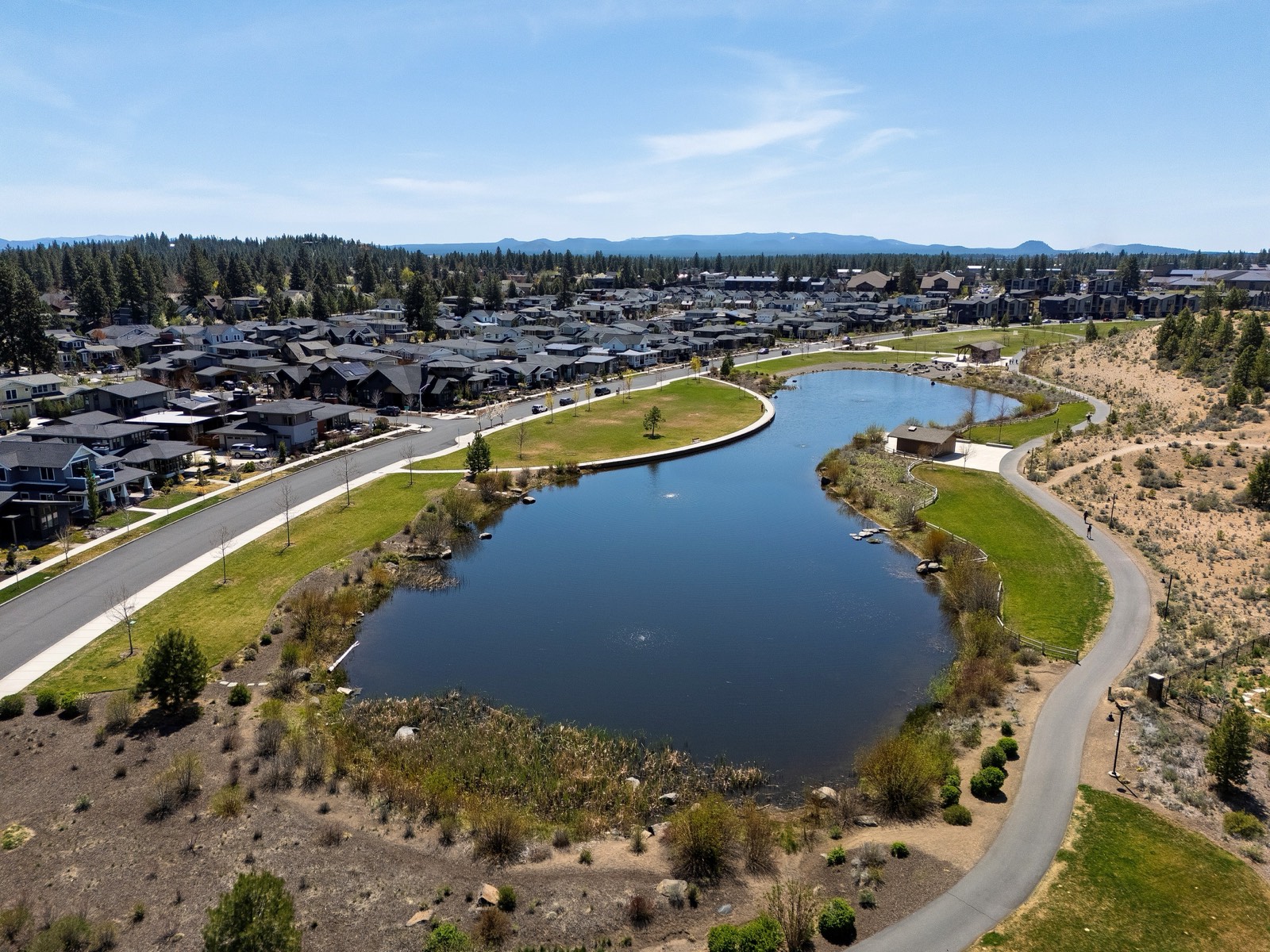
Bend has officially moved to a tiered System Development Charge system. Smaller homes pay lower infrastructure fees, and a three-year phase-in cushions the impact on commercial development.
Browse Bend homes for sale.
Bend has been working toward a System Development Charge overhaul since early 2023. In May 2024, Bend City Council approved revised SDC methodologies for water, sewer, and transportation. The new tiered system replaces the flat-fee structure. Smaller homes will pay lower SDCs than larger ones, reflecting their proportionally smaller impact on city infrastructure.
What changed
The core change is the move from a one-size-fits-all fee to a tiered structure. Under the previous system, a 1,200-square-foot starter home and a 4,000-square-foot luxury home paid essentially the same SDCs for water, sewer, and transportation. The new methodology scales fees based on factors that correlate with actual infrastructure demand.
For residential development, the tiering is based on unit size and type. Smaller homes, ADUs, and middle housing units that generate less infrastructure demand will see lower fees. Larger homes will see fees that more closely reflect their actual impact on water consumption, sewer capacity, and road use.
For non-residential development, the changes are more complex. Some commercial categories will see SDC increases. To cushion the impact, the council approved a three-year phase-in for non-residential uses with the largest fee increases.
The numbers
Specific dollar amounts vary by project type and size:
- Smaller residential units (under approximately 1,500 square feet): SDC reductions of roughly $3,000 to $10,000 compared to the previous flat fee
- ADUs and middle housing: Proportionally lower fees reflecting their smaller infrastructure footprint
- Standard single-family homes (1,500 to 2,500 square feet): Fees roughly comparable to the previous system
- Larger residential: Modest increases reflecting greater infrastructure demand
- Commercial development: Mixed results depending on the use type, with some categories seeing increases phased over three years
Aligning fees with impact
Infrastructure costs scale with the demand a household places on it. A household of two in a small cottage uses less water, generates fewer vehicle trips, and produces less sewer load than a household of six in a large home. The flat fee charged both the same amount. A tiered system aligns the fee with the actual impact.
The previous flat $40,000 SDC was 10% of the price on a $400,000 starter home and 3.3% of the price on a $1.2 million home. Builders had more incentive to build the home where the fee was proportionally smaller.
The tiered system lowers fees for smaller units, which changes the economics of building workforce and starter housing.
Part of a broader housing strategy
SDC reform is one of several policies aimed at making housing more affordable and more diverse in Bend:
- HB 2001 middle housing allowances create the zoning permission for diverse housing types
- ADU expansion increases the number of units that can be built on existing lots
- Tiered SDCs make smaller, more affordable units more economically viable to build
- SB 1537 UGB expansion adds developable land with affordability requirements
Each policy targets a different constraint on new housing supply.
For buyers
If you are looking at new construction in Bend, tiered SDCs may gradually change the types of homes being built, including smaller homes, townhouses, and cottage-style developments. Builders already have projects in their pipelines, so the shift, if it happens, is more likely to show within two to three years than immediately.
For buyers in the $350,000 to $500,000 range, lower SDCs for smaller homes mean builders can deliver finished product at a lower price, absorb less of the fee into their margins, or both.
For builders and developers
The three-year phase-in gives commercial projects time to adjust before facing the full fee increase.
Project pro formas now need to account for variable SDCs based on unit types within a development. A project with a mix of small and large units will have a different blended SDC cost than a project of uniform large homes.
Metrics to track
Whether tiered SDCs change the mix of housing being built in Bend will show up in a few metrics over the next three to five years:
- The percentage of new permits for units under 1,500 square feet (should increase if lower SDCs improve economics)
- The number of ADU and middle housing permits (should increase with proportionally lower fees)
- Total SDC revenue compared to projections (should remain stable if the methodology accurately reflects demand)
- New construction price points (should show modest downward pressure at the lower end)
If these metrics move in the expected direction, Bend will have evidence that its SDC reform is working. If they don't, the methodology can be adjusted.
Bend's SDC reform is in effect and applies to new permit applications. The three-year commercial phase-in means the full impact won't be visible until 2027. We'll track how the new fee structure affects development patterns and housing supply in our housing market reports. If you're planning a construction project or evaluating new construction, our team can help you understand how the updated SDCs factor into your numbers.