




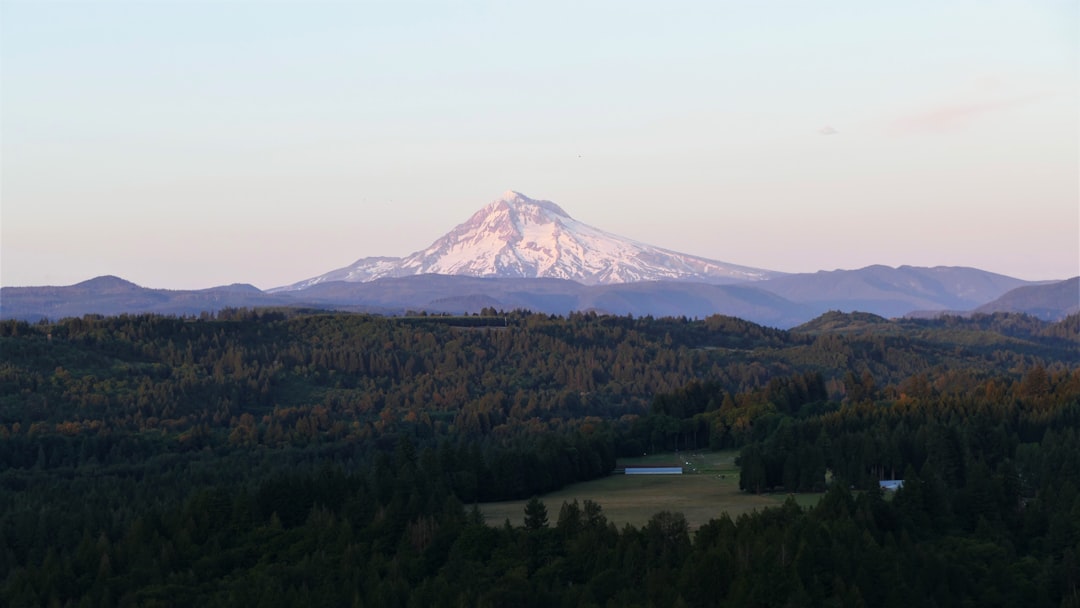
The remote work migration changed Central Oregon’s demographics faster than anyone predicted. Between 2020 and 2025, thousands of knowledge workers discovered they could keep their San Francisco, Seattle, or Portland salaries while living somewhere with mountains, sunshine, and a fraction of the housing cost. This isn’t a trend piece about how great it is to take a Zoom call with a mountain view. It’s a practical guide to the infrastructure, costs, and daily realities of working remotely from Bend, Redmond, Sisters, and the surrounding area.
Internet Infrastructure: The Critical Question
Your remote work setup is only as good as your internet connection. Here’s the honest assessment of what’s available in Central Oregon as of early 2026.
Bend
TDS Telecom (formerly BendBroadband): The primary provider for most of Bend. Offers cable internet with speeds up to 600 Mbps download and 20 Mbps upload in many neighborhoods. Fiber-to-the-home is available in some newer developments and parts of the west side, offering symmetrical speeds up to 1 Gbps. Reliability has improved significantly over the past few years, with most users reporting consistent uptime for video calls and cloud-based work.
CenturyLink (Lumen): Available in parts of Bend with DSL and limited fiber. Speeds vary wildly by location, from adequate (50 Mbps) to borderline unusable (5 Mbps) depending on your distance from the nearest node. Check availability at your specific address before committing to a home.
Starlink: Widely used in Bend’s outskirts and rural areas. Typical speeds of 50 to 150 Mbps with latency of 25 to 50ms. Reliable enough for most remote work, including video calls, but not ideal for latency-sensitive applications like real-time trading or competitive gaming. The $120/month price is steep but it’s sometimes the only option for rural properties.
T-Mobile and Verizon 5G Home Internet: Available in some Bend neighborhoods. Speeds of 50 to 300 Mbps with good reliability. Worth checking as a backup or primary option if cable isn’t available at your address.
Redmond
Redmond’s internet infrastructure is broadly comparable to Bend’s. TDS Telecom provides cable service to most of the city, and CenturyLink covers some areas. The Meta data center investment has improved regional backbone capacity, indirectly benefiting residential internet quality. Fiber availability is expanding with new construction.
Sisters and Rural Areas
This is where it gets more challenging. Sisters proper has cable internet from TDS, but speeds max out lower than in Bend, typically 100 to 300 Mbps. Black Butte Ranch and other rural locations rely heavily on Starlink or fixed wireless providers. If you’re considering a rural property for its peace and views, verify internet availability at the exact address before making an offer. “Near Sisters” can mean excellent cable or satellite-only, with no way to predict without checking.
Practical Recommendations
- Always check internet availability at the specific address before buying or renting. Use the provider’s address lookup tools and confirm with neighbors if possible.
- For mission-critical remote work, have a backup internet source. Many remote workers in Central Oregon run a primary cable connection with a cellular hotspot as backup.
- If you take video calls frequently, upload speed matters as much as download. Cable connections with 20 Mbps upload handle multiple simultaneous video calls without issues. DSL connections with 3-5 Mbps upload will struggle.
Coworking Spaces
Working from home every day for years can erode your mental health and social connections. Coworking spaces provide structure, community, and a change of scenery. Central Oregon’s coworking scene has matured significantly.
Bend
BendTEL / Open Space: Downtown Bend location with hot desks, dedicated desks, and private offices. Pricing ranges from $200 to $500 per month depending on the level of access. Good community of tech workers, freelancers, and startup founders. Regular networking events and workshops.
The Haven Coworking: Located in the Old Mill area with modern facilities, meeting rooms, and a more corporate feel. Monthly rates from $250 for hot desks to $600-plus for private offices. Strong for people who need professional meeting space for client calls or occasional in-person meetings.
Workhouse: A newer addition with a creative-oriented community. Day passes available for $25 to $35, making it a good option if you don’t need daily access.
Redmond
Coworking options are more limited but growing. A few shared office spaces cater to the growing remote work population. Monthly rates tend to be $100 to $300 less than comparable Bend options.
Sisters
No dedicated coworking facility as of early 2026, though the library offers reliable wifi and a quiet work environment. Several coffee shops provide informal work spaces, but none are optimized for full-day productivity.
Coffee Shops and Informal Work Spots
For days when you need a change of scenery but don’t want a full coworking membership, Bend’s coffee shop scene delivers.
- Thump Coffee: Multiple locations. Strong wifi, good outlets, tolerant of laptop campers during off-peak hours. The Minnesota Avenue location is the most work-friendly.
- Backporch Coffee Roasters: Reliably good wifi, multiple locations with different vibes. The NW Crossing location has the most space for working.
- Spoken Moto: Motorcycle-themed coffee shop and event space on the east side. Quirky atmosphere, decent wifi, outdoor seating with power access in warm months.
- Palate: Smaller and quieter, good for focused work when the bigger shops are too busy.
- Bend Public Library (Downtown): Free wifi, quiet study areas, meeting rooms available for reservation. An underrated work option.
The unwritten rule in Bend coffee shops: buy something every couple of hours if you’re camping. The margins on coffee are thin, and these businesses support the community. Don’t be the person who buys a $4 drip coffee and occupies a table for eight hours.
Timezone Advantages
Central Oregon is on Pacific Time, which creates meaningful advantages for certain work arrangements:
Working for West Coast companies: You’re on the same timezone as SF, LA, Seattle, and Portland. No adjustment needed.
Working for East Coast companies: Three hours behind means your mornings are free until colleagues come online at noon Eastern (9 AM Pacific). You can ski, run, mountain bike, or handle personal errands in the morning and start your workday when the east coast is returning from lunch. Many remote workers in Bend structure their days around this gap intentionally.
Working for European companies: This is harder. London is 8 hours ahead, meaning a 9 AM London meeting is 1 AM in Bend. If your European colleagues prefer morning meetings, you’ll need to start your day early. If they’re flexible, you can overlap during your morning and their afternoon.
Working internationally across multiple timezones: Pacific Time is one of the last timezones in the global business day. This can be advantageous (you get to respond to everything that happened overnight before you start) or challenging (you may need early morning calls for Asia-Pacific overlap).
Work-Life Balance with Outdoor Access
This is the real pitch for remote work in Central Oregon, and it’s not hype. The proximity of outdoor recreation to the built environment is genuinely unusual.
Practical examples of what a Tuesday can look like:
- Winter: Ski two hours at Mt. Bachelor before starting work at 10 AM. Take a lunch walk on the Deschutes River Trail. End the day with a sunset Nordic ski at Meissner Sno-Park.
- Summer: Mountain bike Phil’s Trail from 6:30 to 8 AM. Shower and start work by 8:30. Lunch paddle on the Deschutes River. Evening trail run on the Butte.
- Year-round: 30-minute trail run on the urban trail system is available within 10 minutes of almost any neighborhood in Bend. This is genuinely accessible for a work break, not a “drive 40 minutes to a trailhead” situation.
The caveat: this lifestyle requires discipline. The same proximity to recreation that makes Central Oregon appealing can also make it hard to focus when the powder is fresh or the river is perfect. Successful remote workers here establish clear work boundaries, a dedicated workspace at home, and structure their outdoor time around their responsibilities rather than blowing off deadlines for a ski day.
Communities of Remote Workers
You’re not alone out here. The remote work community in Central Oregon is substantial and organized.
- BendTech: A nonprofit that hosts meetups, happy hours, and networking events for tech workers. Monthly events draw 50 to 200 people. It’s the best single place to meet other remote workers in the area.
- Founders Pad: A startup incubator and accelerator that runs programs for early-stage companies. Even if you’re not founding a company, the events are worth attending.
- Slack and Discord communities: Several active online groups for Central Oregon remote workers share job postings, coworking recommendations, and social events. Ask at any coworking space for invite links.
- Activity-based communities: Mountain bike groups, running clubs, ski groups, and climbing communities are full of remote workers. The Wednesday group ride or the Thursday trail run is as much a networking event as a workout.
Cost Comparison to Major Metros
For remote workers maintaining salaries from higher-cost markets, here’s a rough annual cost comparison for a single person or couple:
San Francisco (renting 1BR in the city): approximately $85,000 to $95,000 per year in living costs (rent, food, transport, taxes, insurance, entertainment).
Seattle (renting 1BR in the city): approximately $65,000 to $75,000 per year.
Portland (renting 1BR inner city): approximately $50,000 to $60,000 per year.
Bend (renting 1BR): approximately $42,000 to $52,000 per year.
Bend (owning a median home): approximately $50,000 to $62,000 per year including mortgage, taxes, insurance, and maintenance.
For a couple earning a combined $200,000 remotely from a Bay Area company while living in Bend, the net savings compared to living in San Francisco could be $25,000 to $40,000 per year. Over five years, that’s a down payment on a home or a significant investment portfolio.
Oregon income tax (top rate 9.9%) offsets some of the savings for workers coming from Washington (no state income tax), but the no-sales-tax advantage and lower housing costs more than compensate for most households.
Neighborhoods Best for Remote Workers
Not all neighborhoods are equally suited for remote work. Here’s what to consider, broken down by priority:
If Internet Reliability Is Your Top Priority
Stick to established Bend neighborhoods with TDS cable or fiber: NW Crossing, the west side, SE Bend’s newer subdivisions, and the Old Mill area. These have the most consistent broadband infrastructure. Avoid rural properties or homes on the very eastern fringe without confirming internet speeds first.
If Walkability and Social Infrastructure Matter
Downtown Bend, the Old Mill area, and NW Crossing put you within walking distance of coffee shops, coworking spaces, restaurants, and the river trail. Breaking up the workday with a walk to a coffee shop or a lunch meeting is easier when you’re not driving fifteen minutes each way.
If You Want Space and a Dedicated Home Office
East Bend and Redmond offer more square footage per dollar. A $500,000 home in east Bend or Redmond will typically have a spare bedroom or den that makes an excellent home office, compared to the same price buying a smaller footprint on the west side. For detailed neighborhood comparisons, explore our communities page.
If You Want Maximum Outdoor Access Between Meetings
SW Bend (Century Drive corridor) puts you closest to trail systems and Mt. Bachelor. You can genuinely take a 45-minute mountain bike ride during a lunch break and be back at your desk without driving more than five minutes to the trailhead.
Practical Tips for Remote Workers Moving to Central Oregon
- Set up your home office properly. Invest in a standing desk, good chair, and quality webcam and microphone. The casual “laptop on the kitchen counter” setup gets old fast, especially during nine-month winters.
- Get a UPS (Uninterruptible Power Supply). Central Oregon gets occasional power outages from storms and wind events. A UPS gives you 15 to 30 minutes of runtime to save work and join calls via cellular backup.
- Establish a routine that includes outdoor time. The flexibility of remote work plus the outdoor access is the whole point. Build morning or lunchtime outdoor activity into your daily schedule rather than treating it as a bonus.
- Join a coworking space for at least a month when you first arrive. It’s the fastest way to build a professional network and social connections. You can always drop to occasional use after you’ve established relationships.
- Be transparent with your employer about your location. Oregon state income tax applies to work performed in Oregon, and some companies have restrictions on which states employees can work from. Sort this out before you move, not after.
- Budget for a good winter setup. Studded tires, warm layers for the walk to the home office (if it’s in a separate building), and a well-heated workspace. Productivity drops fast when you’re cold.
Central Oregon has genuinely earned its reputation as one of the best places in the country for remote workers. The combination of reliable infrastructure, outdoor access, growing professional community, and cost advantage over the major metros makes a compelling case. The key is approaching it with practical planning rather than romantic assumptions. Check our listings page to see what’s available in neighborhoods with strong internet infrastructure, or visit the cities overview to compare locations across the region.