




Sunriver has a dual identity that confuses a lot of buyers. It is simultaneously a full-time residential community with about 1,700 year-round residents and a vacation destination with thousands of short-term rental properties cycling through guests every week. Whether you are considering Sunriver as your primary home or a vacation investment, the decision hinges on understanding how these two worlds coexist, and where they occasionally collide. This guide gives you the full picture so you can decide which version of Sunriver, if either, fits your situation.
Understanding Sunriver’s Layout
Sunriver is a 3,300-acre planned community located about 15 miles south of Bend along Highway 97. It is organized around the Deschutes River, with neighborhoods radiating outward from the Village (the commercial center), the two golf courses, and the SHARC aquatic center.
The community is managed by the Sunriver Owners Association (SROA), which maintains the roads, common areas, bike paths, and community facilities. Every property owner pays SROA fees, regardless of whether they live there full time or use the home as a rental.
Key landmarks include:
- The Village: Shops, restaurants, a small grocery store, bike rentals, and the Village Bar and Grill. This is the social center of Sunriver.
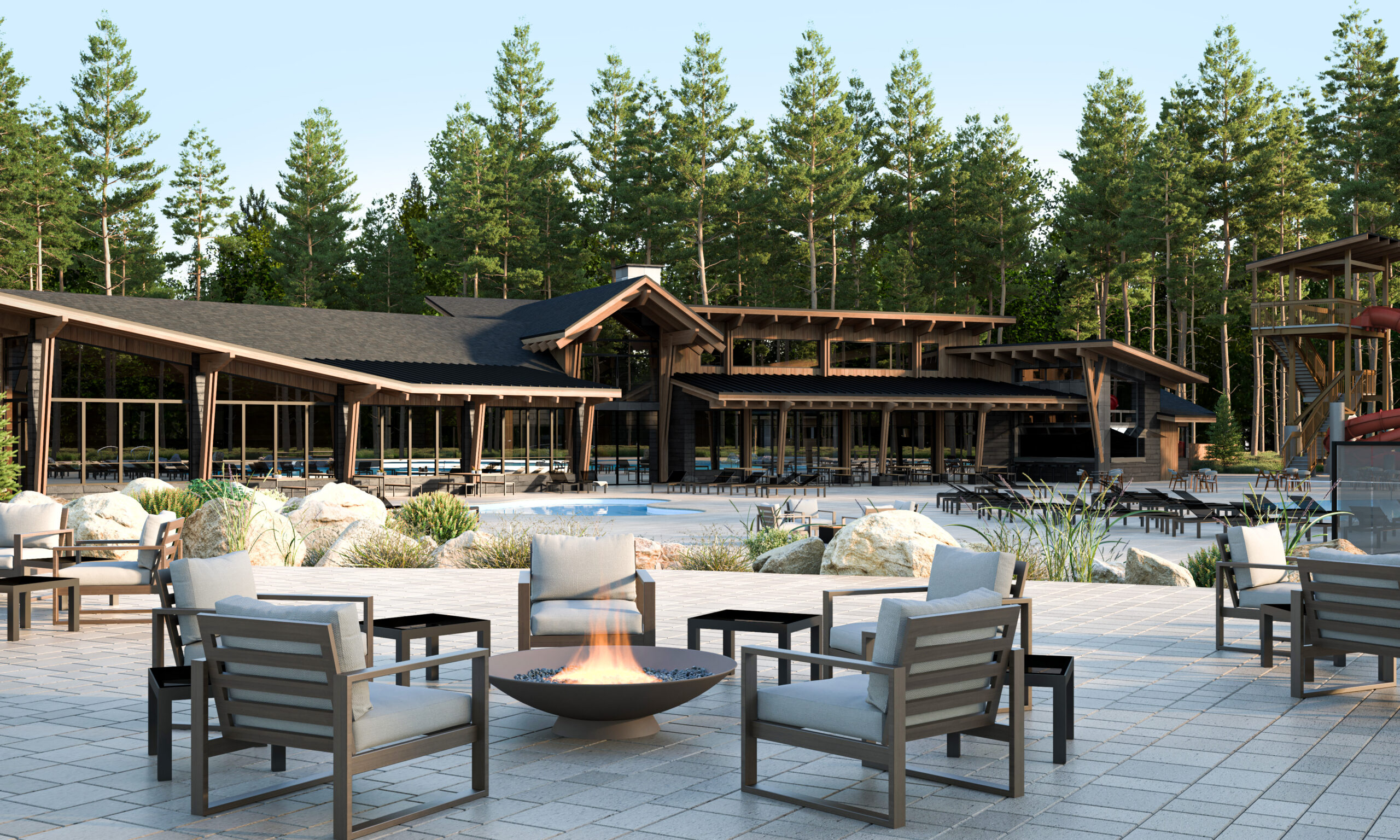
- SHARC: The Sunriver Homeowners Aquatic and Recreation Center, with indoor and outdoor pools, waterslides, a hot tub, and seasonal ice skating.
- Woodlands Golf Course: The original 18-hole Robert Trent Jones Jr. course. A newer course, Meadows, is also available.
- The Great Hall: Community event space along the river.
- Nature Center and Observatory: Educational facilities that are genuine assets, not just marketing props.
- Bike paths: Over 30 miles of paved paths that connect every corner of the community. This is the primary way residents and guests get around in summer, and the system is well-maintained and genuinely functional for transportation, not just recreation.
Full-Time Living in Sunriver
The Daily Reality
Living in Sunriver full time feels very different from visiting for a long weekend. In the off-season (roughly late October through mid-May), the community is quiet, sometimes strikingly so. Many homes sit empty, and the Village operates on reduced hours. If you thrive on solitude and the sound of nothing but wind in the ponderosa pines, this is a feature. If you need neighborhood energy year-round, it can feel isolating.
Summer is the opposite. The population swells dramatically as vacation renters pour in, and the bike paths, pools, and restaurants fill up. Full-time residents have mixed feelings about this cycle. The activity is nice; the occasional disregard for community norms by short-term guests is not. Some year-round residents report that certain weeks (Fourth of July, Labor Day) feel more like a theme park than a neighborhood. Others find the energy invigorating after quiet winter months. Your tolerance for this rhythm is worth examining honestly before committing.
Schools and Families
Sunriver is in the Bend-La Pine School District. The local option for elementary students is Three Rivers School, a small K-5 school in the La Pine area. Middle and high school students typically attend schools in La Pine or, with an inter-district transfer, in Bend. The school bus does service Sunriver, but the commute can be long.
Several full-time families with children live happily in Sunriver, but the school logistics require more planning than living in Bend proper. If school quality and commute time are top priorities, research the specific schools and bus routes before committing.
Groceries, Healthcare, and Services
The Village has a small general store that covers basics, but you will drive to Bend for a proper grocery run. Medical care means a trip to St. Charles in Bend (about 25 minutes) for anything beyond basic urgent care. There is a fire station in Sunriver, and emergency response times are reasonable.
Restaurants and services within Sunriver are limited compared to Bend. You will find enough for casual dining, but most full-time residents consider Bend their “town” for shopping, dining, and services. La Pine, about ten minutes south, has a few additional options including a larger grocery store and some basic retail.
Vacation Home Ownership
Rental Income Potential
Sunriver is one of Central Oregon’s strongest vacation rental markets. Many owners generate $30,000 to $60,000 or more in annual gross rental income depending on the home’s size, location, and condition. Peak season (June through September and holiday weeks) can command $300 to $800 per night for a three to four bedroom home.
However, gross income is not net income. After you subtract management fees (typically 20% to 30% of revenue), cleaning costs, maintenance, SROA fees, insurance, and property taxes, the net return is significantly lower. Many vacation rental owners break even or earn a modest return while building equity. The homes that generate real cash flow tend to be well-maintained, well-furnished properties in desirable locations (river frontage, near SHARC, or on the golf course).
Management and Rental Rules
Sunriver allows short-term rentals, which is a significant advantage over some resort communities that restrict them. Most owners use a property management company (Sunriver Resort, Vacasa, and several local companies operate here) to handle bookings, cleaning, and maintenance.
SROA has rules about noise, parking, and occupancy that apply to renters, and violations can result in fines to the homeowner. Managing a rental property from a distance requires either a good management company or a local contact who can handle issues quickly.
One thing that separates successful Sunriver rental owners from frustrated ones is reinvestment. Properties that are kept current with updated kitchens, comfortable furnishings, and modern amenities consistently outperform dated homes in both nightly rate and occupancy. Guests have plenty of choices, and the properties that photograph well and deliver on their promise earn repeat bookings and five-star reviews that compound over time.
Price Ranges
Sunriver’s real estate spans a wider range than many people expect:
- Condos and small cabins: $300,000 to $500,000. These are the entry-level options, typically one to two bedrooms, older construction, and the most straightforward vacation rental investments.
- Mid-range homes (3 bed/2 bath): $500,000 to $800,000. The sweet spot for families and rental properties. Decent condition, reasonable lot sizes.
- Larger family homes (4+ bed): $800,000 to $1,200,000. Newer construction or remodeled, larger lots, often with hot tubs and other rental-friendly features.
- Premium properties (river frontage, golf course): $1,200,000 to $2,000,000+. Custom homes with prime locations and high-end finishes.
Browse current listings in Central Oregon to see what is on the market.
SROA Fees and Costs
Every property owner pays annual SROA assessments, which cover road maintenance, bike path upkeep, common area landscaping, and community programs. These currently run approximately $1,200 to $2,500 per year depending on the property type and size. Some sub-neighborhoods have additional HOA fees on top of SROA dues.
SHARC access requires a separate pass. Homeowners can purchase annual passes at a discounted rate (around $500 to $700 per household), or pay per visit. Vacation rental guests typically purchase passes through their management company.
Winter Access
This is a practical consideration that catches some buyers off guard. Sunriver gets meaningful snow in winter, and while the SROA plows main roads, some neighborhood streets and driveways can be slow to clear. Highway 97 between Sunriver and Bend is generally well-maintained, but winter storms can make the commute tense.
If you are a full-time resident commuting to Bend for work, plan for occasional difficult driving days between November and March. A reliable all-wheel-drive vehicle is a requirement, not a suggestion. If you are a vacation homeowner, winter access can affect rental bookings; guests sometimes cancel or shorten stays during severe weather.
Full-Time vs Vacation Home Comparison
Here is a practical side-by-side:
- Community feel: Full-time residents experience seasonal extremes, from very quiet to very busy. Vacation owners see it mostly at its peak.
- Financial model: Full-time living means absorbing all costs with no rental income offset. Vacation ownership means managing rental income against carrying costs.
- Maintenance burden: Similar for both, but vacation owners need a management solution for when they are not there.
- School access: A real consideration for full-time families. Not relevant for vacation ownership.
- Appreciation: Both benefit from Sunriver’s strong brand and limited supply of resort real estate in Central Oregon.
Who Should Buy in Sunriver
Sunriver as a primary home works best for retirees, remote workers, and families who prioritize outdoor recreation and quiet living over urban convenience. You need to be comfortable with a 25-minute drive to Bend for most services and a seasonal population swing.
Sunriver as a vacation home works best for buyers who will use the property several weeks per year and want rental income to offset costs. The strongest returns come from well-located, well-maintained homes with enough bedrooms to attract families.
Either way, Sunriver offers something that most of Central Oregon does not: a self-contained community with its own infrastructure, recreation facilities, and identity. That is worth something, as long as you go in with realistic expectations about costs, seasonal rhythms, and the distance from town.
Explore Central Oregon communities to compare Sunriver with other options, or contact our team for guidance on which Sunriver neighborhoods match your goals.