




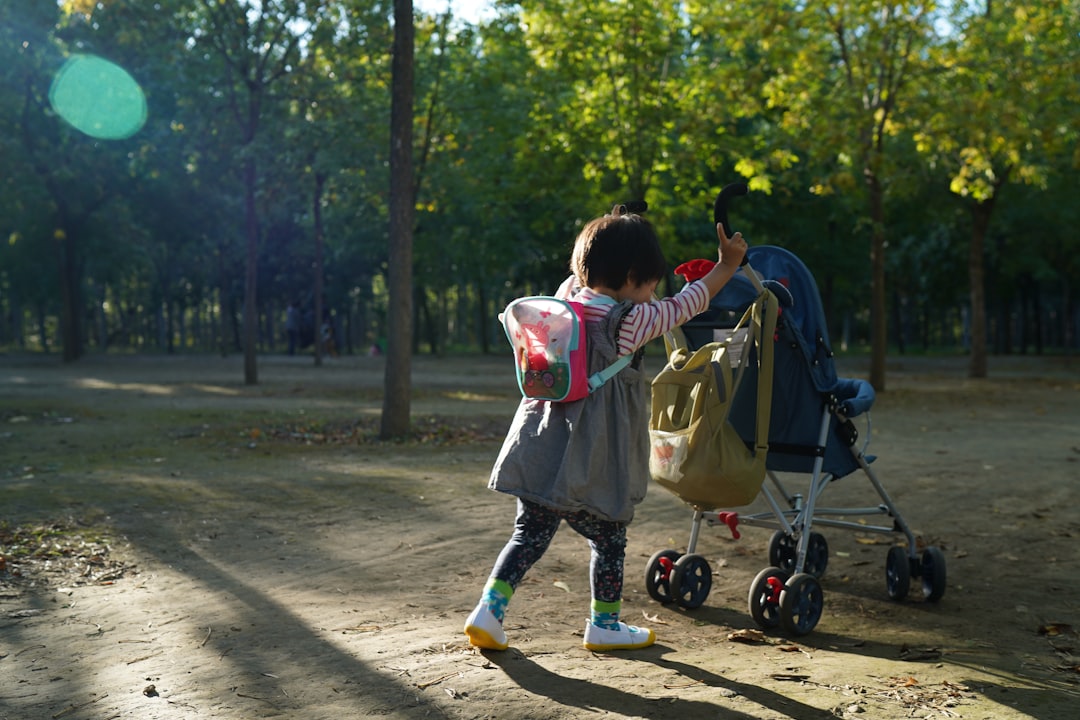
Bend is a fantastic place to raise kids in a lot of ways, and a frustrating place in a few important ones. Most parent-focused content about Bend reads like it was written by the chamber of commerce, so this is the version a parent who actually lives here would tell you over a beer. The good stuff is really good. The challenging stuff is real. And your family’s specific situation determines which side of the ledger matters more.
What Is Genuinely Great
Outdoor Access
This is the headline, and it is earned. Kids in Bend grow up with outdoor access that most American children simply do not have. The parks are excellent and abundant. The trail system runs through and around neighborhoods. The Deschutes River is a backyard playground for much of the city. Mt. Bachelor is 25 minutes away. Smith Rock is 30 minutes away. Your kids can mountain bike, ski, climb, paddle, fish, hike, and swim within a short drive from essentially any neighborhood.
The practical result is that kids here tend to be active. Youth sports are participation-heavy rather than exclusively competitive. Weekend family activities default to “go outside” rather than “go to the mall.” There is something genuinely healthy about raising children in an environment where nature is the default entertainment rather than a special occasion.
Safety
Bend is a safe place by most measures. Violent crime rates are well below national averages. Property crime exists but is lower than Portland or most metro areas. Many families let older children bike to friends’ houses, walk to school, and play in neighborhoods with a level of freedom that has become unusual in many parts of the country. This is not a guarantee, and basic safety awareness matters everywhere, but the general environment feels secure.
Community
Bend still has enough small-town DNA that you will know your kids’ friends’ parents, your neighbors will look out for your children, and the school community provides a genuine social network. Youth sports leagues, school events, and community activities create natural connection points. For families moving from large metro areas where neighbor anonymity is the norm, this social fabric is often the biggest positive surprise.
Schools
The schools are generally solid. Bend-La Pine Schools is a well-run district with strong parent involvement. There are standout elementary and middle schools, competitive high school programs, and options for families who want alternatives (charter schools, private schools, homeschool co-ops). For detailed school information, see our comprehensive schools guide.
What Is Genuinely Challenging
Housing Costs
This is the elephant in the room for families. Bend’s housing market has appreciated dramatically, and a family-sized home (three or more bedrooms) in a good school zone is expensive. Median prices for single-family homes in Deschutes County have been rising steadily, and finding a three-bedroom, two-bath home in a desirable Bend neighborhood for under $500,000 is increasingly difficult. Many families that would have bought in Bend a decade ago are now priced into Redmond, La Pine, or Prineville.
The housing cost also has downstream effects. Dual incomes are often necessary, which means both parents work, which intensifies the childcare crunch (more on that below). Some families find that the outdoor lifestyle they moved here for is harder to enjoy because they are working more hours to afford the mortgage.
Childcare Availability
Childcare in Bend is tight. Full-stop. Wait lists at quality daycare centers run six months to over a year. In-home daycare spots are limited. Nannies and au pairs are expensive in a market where many households are competing for the same small pool of caregivers. If you have children under school age and both parents need to work, start your childcare search before your home search. Seriously.
The situation is slightly better in Redmond and other nearby communities, where costs are lower and spots sometimes more available. Some families structure their home purchase around childcare proximity, which sounds extreme until you are driving 20 minutes each way to drop off a toddler before a full workday.
Limited Diversity
Central Oregon is predominantly white, and Bend more so than the surrounding communities. Deschutes County’s demographics do not reflect the diversity of Portland, Seattle, or most major metros. For families of color, this is a significant consideration. It affects your children’s peer group, your own social network, and the degree to which your family sees itself reflected in the community.
The situation is more diverse in Redmond and Madras, which have larger Latino populations tied to the agricultural economy. The region is slowly becoming more diverse as it grows, but the pace is slow. Some families of color who have moved here report positive experiences with welcoming communities; others have found the homogeneity isolating. It is a deeply personal calculation, and it would be dishonest to gloss over it.
Limited Cultural Diversity in Activities
Related but distinct from demographic diversity: the activity options for kids skew heavily toward outdoor recreation and mainstream American sports. If your child is interested in competitive swimming, select travel soccer, or specialized academic programs, the options are more limited than in a larger city. Music instruction, dance, martial arts, and visual arts are available but with fewer teachers and programs to choose from. Kids with niche interests may find smaller peer groups who share those interests.
Youth Sports and Activities
Outdoor Sports
Youth skiing and snowboarding programs at Mt. Bachelor are excellent, with age-based programs starting at age 4. MBSEF (Mt. Bachelor Sports Education Foundation) runs competitive ski racing and freeride programs. Youth mountain biking has exploded through NICA (National Interscholastic Cycling Association) teams at each high school. Trail running, rock climbing, and Nordic skiing all have youth programs.
Traditional Sports
Soccer, baseball, softball, basketball, football, lacrosse, and volleyball all have organized youth leagues. Bend FC and Central Oregon Soccer Club run competitive soccer programs. Baseball and softball leagues are well-organized through Bend Parks and Recreation. The Pavilion (an ice rink) offers hockey and figure skating. The Bend Swim Club provides competitive swimming.
Non-Sport Activities
Beyond sports, kids have access to:
- High Desert Museum: An outstanding natural history and cultural museum with educational programs, summer camps, and wildlife exhibits. This is genuinely one of the best small museums in the country.
- Bend Parks and Recreation: Offers an extensive catalog of youth classes, camps, and programs. Swimming lessons, art classes, cooking, science camps, and outdoor education run year-round.
- COCC youth programs: Central Oregon Community College offers summer camps and enrichment programs for teens.
- Library programs: The Deschutes Public Library system runs robust children’s and teen programs, including reading challenges, maker spaces, and events.
- Scouting: Scouts BSA and Girl Scouts have active local troops that take particular advantage of the outdoor environment.
Summer Camps
Summer camp options are a strength of the region. Day camps run by Bend Parks and Rec, Mt. Bachelor, the Bend Endurance Academy, and various outdoor schools keep kids active and engaged through the summer. Camps fill quickly (registration typically opens in February or March, and popular sessions sell out the first day), so plan accordingly.
Overnight camp options include Camp Tamarack, several YMCA camps, and specialty outdoor camps. The combination of accessible wilderness and safety makes Central Oregon natural camp country.
Winter Activities for Kids
Winter can be the hardest season for families with young kids. It is cold, dark by 4:30 PM, and outdoor play requires significant gear and preparation. That said, if you lean into it rather than fight it:
- Mt. Bachelor ski and snowboard lessons start at age 4
- Sledding hills throughout Bend and at nearby sno-parks
- Ice skating at The Pavilion
- Indoor climbing at Bend Rock Gym
- Indoor play spaces (Bend’s have grown as the family population has increased)
- Nordic skiing and snowshoeing on kid-friendly flat terrain
The families that handle winter best are the ones who invest in gear (good winter boots, layers, goggles) and treat cold weather as an opportunity rather than an obstacle. Kids who learn to ski by age 5 or 6 grow up treating winter as their favorite season.
Family Neighborhoods
Where you live shapes your kids’ daily experience significantly. The neighborhoods that work best for families tend to share a few features: safe streets for biking and walking, proximity to parks and trails, good school assignments, and a density of other families.
- Northwest Crossing: Purpose-built with families in mind. Parks, trails, a village center with a coffee shop and restaurant, and an elementary school within the community. Premium pricing reflects the demand.
- Southeast Bend (Reed Market, Bear Creek area): More affordable than the west side, with newer construction and family-oriented neighborhoods. Mountain View High School zone.
- Shevlin and West Side: Close to trails and Mt. Bachelor. Summit High School zone. Higher price points but strong outdoor access.
- Northeast Bend: Mixed older and newer neighborhoods. Close to Pilot Butte and the east-side trail system. More affordable entry points.
- Redmond: Significantly more affordable than Bend, with solid schools and a growing family infrastructure. Worth serious consideration for families prioritizing value.
Explore specific Central Oregon communities to see which neighborhoods match your family’s priorities and budget.
The Honest Assessment
Raising kids in Bend works well for families who value outdoor access, community connection, and a slower pace of life, and who can afford the housing costs. It works less well for families who need affordable childcare, cultural diversity, or specialized programs and activities that a larger city provides.
The most common pattern we see is families who move here when kids are young (elementary age), thrive through the middle school years, and then face a decision when high school or college approaches about whether Bend has enough to offer older teens. Many stay. Some return to metro areas for the broader opportunities. Both are valid choices.
If you are considering the move, visit with your kids during both summer and winter. Let them see the schools, try the activities, and get a feel for the pace. Their reaction will tell you a lot. And be honest with yourself about the trade-offs. The right answer is not the same for every family, and that is fine. Our team can help you explore neighborhoods and homes that match your family’s specific needs and budget.