




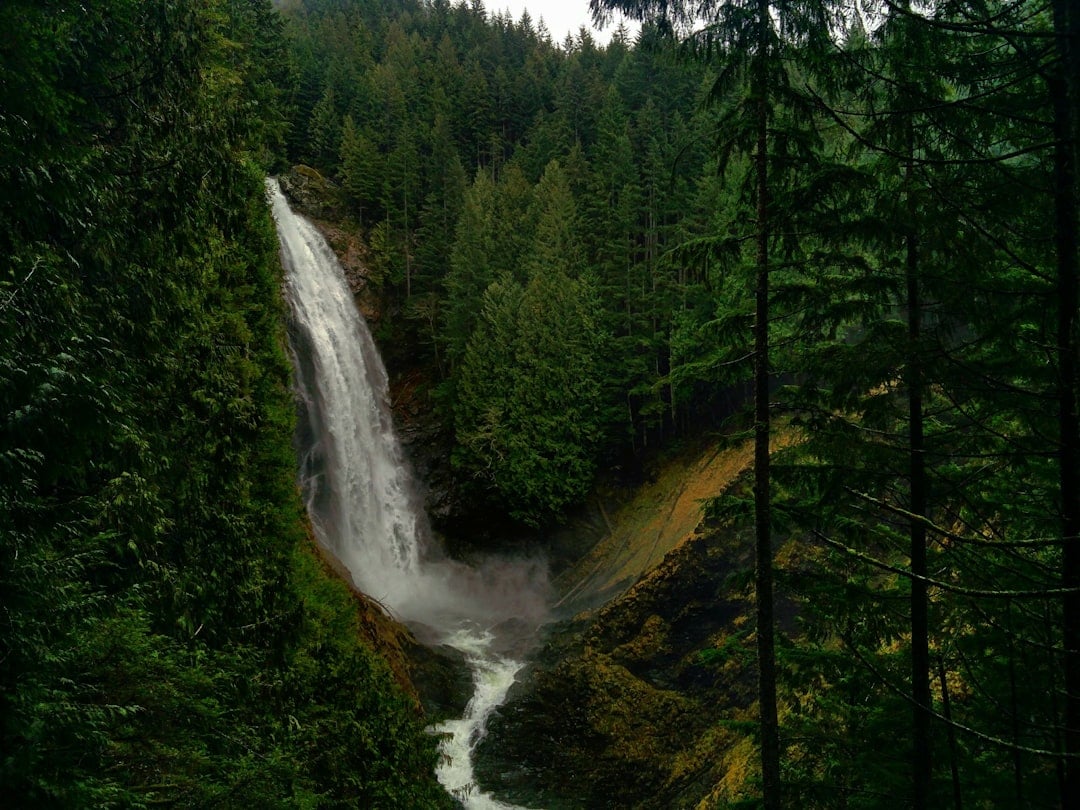
People move to Central Oregon for a lot of reasons, but when you press them, most will eventually say some version of the same thing: they want to be closer to the outdoors. That impulse is legitimate. Within a 30-minute drive of most homes in Bend, you can access world-class mountain biking, downhill skiing, fly fishing, rock climbing, hiking, golf, and paddleboarding. That is not a brochure exaggeration. It is a geographic fact that shapes real estate decisions every day.
But here is the thing most relocation guides leave out: where you buy in Central Oregon dramatically affects which activities are most accessible to you. A home on the west side of Bend puts you ten minutes from Mt. Bachelor and the Cascade Lakes. A home in northeast Bend puts you closer to Smith Rock and the high desert trail systems. And a home in Redmond or Sunriver comes with its own set of proximity advantages and trade-offs. Understanding those differences matters when you are making the biggest purchase of your life.
Mountain Biking and Trail Running
Central Oregon has become one of the premier mountain biking destinations in the country, and it is not just marketing. The Central Oregon Trail Alliance (COTA) maintains over 300 miles of singletrack in the Bend area alone, and the trail system keeps expanding. The volcanic soil drains fast, which means rideable conditions return quickly after rain or snowmelt.
Phil’s Trail System
Phil’s Trail is the flagship network, located on the west side of Bend. The trailhead sits about 15 minutes from downtown, and from there you can link together loops ranging from 5 to 30 miles. The trails here suit intermediate to advanced riders, with smooth flow trails, technical rock sections, and everything in between. If mountain biking is your primary motivation for moving here, living on the west side of Bend (neighborhoods like Shevlin, Northwest Crossing, or Discovery West) puts you closest to this system.
Wanoga and Swampy Lakes
Further up the Cascade Lakes Highway, the Wanoga and Swampy Lakes trail systems offer higher-elevation riding that extends the season into mid-summer when lower trails get dusty. These are also popular for fat biking in winter and cross-country skiing. Access is about 25 minutes from central Bend.
Horse Butte and the East Side
The Horse Butte trail system near Sunriver offers excellent riding with less traffic than Phil’s. If you are considering a home in Sunriver, La Pine, or the southern corridor, this is your backyard trail network. The terrain is flatter than the west-side systems but still engaging, with pumice soil that stays rideable in conditions that would turn other trails into mud.
For trail runners, all of these systems double as running terrain. The Deschutes River Trail, which runs through central Bend, offers paved and unpaved sections that connect neighborhoods directly to the trail network without driving anywhere. Homes along the river corridor in both northwest and southwest Bend command a premium partly because of this access.
Skiing and Snowboarding
Mt. Bachelor is 22 miles from downtown Bend, which translates to about 25 to 35 minutes depending on conditions. That proximity is unusual for a ski area of its caliber. Bachelor receives an average of around 460 inches of snow per year, has 4,300 acres of skiable terrain, and operates a summit chair that provides above-treeline skiing when conditions allow.
The practical question for homebuyers is what that commute looks like on a powder day. Highway 46 (Century Drive) is the only route, and it gets congested on weekend mornings. If skiing is central to your lifestyle, living on the west side or southwest side of Bend shaves off meaningful drive time. Communities along Century Drive, including parts of Broken Top and some Cascade Highlands neighborhoods, put you at the front of the line.
Season passes have become a consideration in household budgets. The Ikon Pass includes Bachelor, and a family of four can expect to spend $3,000 to $5,000 on passes depending on the tier. Factor this into your annual cost-of-living calculations alongside the mortgage, because most locals consider it a non-negotiable expense.
Nordic Skiing and Snowshoeing
The Virginia Meissner and Swampy Lakes Sno-Parks offer extensive Nordic skiing and snowshoeing trails. These are free to use with an Oregon Sno-Park permit (about $30 for the season). The Bend community has a strong Nordic culture, and weekend mornings at Meissner feel more like a neighborhood gathering than a remote wilderness experience.
Fly Fishing
The Deschutes River runs right through Bend, and it holds wild redside rainbow trout that attract anglers from across the West. The upper Deschutes, from Wickiup Reservoir through Sunriver and Bend, offers different character than the lower Deschutes canyon near Maupin, but both are accessible from Central Oregon homes.
The Crooked River below Bowman Dam near Prineville is another year-round fishery that produces consistent dry fly fishing when conditions are right. If fly fishing is your thing and you want to keep costs down, Prineville and Crook County offer significantly lower home prices than Bend, and the Crooked River is your backyard water.
Fall River, the Metolius River near Camp Sherman, and Hosmer Lake near Elk Lake are all within an hour’s drive. Each offers a different fishing experience, from the spring creek clarity of Fall River to the technical sight-fishing on the Metolius. Real estate around Camp Sherman and the Metolius corridor is limited and expensive, but it exists for buyers who prioritize fishing access above all else.
Hiking and Climbing
Smith Rock State Park
Smith Rock is about 25 minutes north of Bend and 10 minutes from Terrebonne. It is considered one of the birthplaces of American sport climbing, and it attracts climbers from around the world. If climbing is your primary activity, buying in Redmond or Terrebonne puts you significantly closer than Bend. Home prices in these areas are also lower, which is worth considering if proximity to Smith Rock matters more to you than proximity to Bend’s restaurant scene.
For hikers, Smith Rock offers several non-climbing trail loops including the Misery Ridge Trail, which gives you the classic postcard view of the Crooked River canyon. It is genuinely beautiful and also genuinely steep.
Three Sisters Wilderness and Cascade Lakes
The Three Sisters Wilderness is the backyard playground for west-side Bend residents. Trailheads for South Sister (the most-climbed peak in Oregon), Broken Top, Green Lakes, and dozens of other routes are 30 to 60 minutes from town. Permit requirements have increased in recent years for the most popular trails, a reflection of the region’s growing population. Check which areas give you the quickest access to the trailheads you care about most.
Golf
Central Oregon has over 30 golf courses, and the concentration is remarkable for a metro area of this size. The combination of volcanic soil (which drains well), 300-plus days of sun, and dramatic Cascade views makes the region a legitimate golf destination.
The resort courses at Pronghorn, Tetherow, Brasada Ranch, and Eagle Crest attract destination golfers, but locals have good options too. Juniper Golf Course (a city-owned course in Redmond), River’s Edge in Bend, Meadow Lakes in Prineville, and Widgi Creek in Bend offer quality rounds without resort pricing. A local annual membership can run from $2,000 to $5,000 at public and semi-private courses, while resort memberships climb into five figures.
If golf is a lifestyle priority, the neighborhoods surrounding Tetherow, Broken Top, and Widgi Creek in Bend, or Eagle Crest and Crooked River Ranch near Redmond, all offer homes with direct course access.
Paddleboarding and Water Sports
The Deschutes River through Bend has become one of the most popular stand-up paddleboarding stretches in the state. The Bend Whitewater Park, just below the Old Mill District, has a series of features designed for surfing, kayaking, and SUP. On summer evenings, the river is crowded with paddlers. Mirror Pond, upstream, is calmer and better for beginners.
The Cascade Lakes (Elk Lake, Sparks Lake, Hosmer Lake, Cultus Lake, and others) provide flat-water paddling with mountain backdrops. Some are accessible only in summer, and water levels vary year to year. Todd Lake, one of the first to thaw in spring, offers early-season paddling surrounded by snowfields.
How Recreation Shapes Home Values
This is where it gets practical. In Central Oregon, proximity to recreation genuinely affects property values. Homes within walking distance of the Deschutes River Trail command a measurable premium. Properties on the west side of Bend, closer to mountain biking trails and Mt. Bachelor, tend to price higher than comparable homes on the east side. And homes in resort communities with golf, pool, and trail amenities have a built-in value floor that holds up better in market downturns.
The flip side is that you are paying for that access in your purchase price. A home in Redmond or La Pine gives you nearly the same outdoor access with a 15 to 30 minute drive, at a significantly lower price point. Many families find that trade-off worthwhile, especially if their outdoor activities are destination-based (you are driving to the trailhead anyway) rather than out-the-back-door.
Seasonal Activity Calendar
Here is a realistic look at what is accessible by month:
- January through March: Skiing and snowboarding at Mt. Bachelor (peak conditions), Nordic skiing, snowshoeing, fat biking. Lower-elevation trails are snow-covered or muddy.
- April through May: Ski season overlaps with early golf and road cycling. Mountain bike trails start opening in late April at lower elevations. Fly fishing picks up on the Deschutes and Crooked River. Spring weather is unpredictable (snow one day, 65 degrees the next).
- June: High trails open. Mountain biking, hiking, paddling, and golf are all in full swing. Bachelor closes for skiing (typically early May) but reopens for summer activities. River flows are high from snowmelt.
- July through August: Peak season for everything. Also peak season for wildfire smoke, which can seriously impact air quality for days or weeks. Plan indoor alternatives for smoky days. River levels drop, improving wading access for fly fishing.
- September through October: The best-kept-secret months. Warm days, cool nights, no crowds, minimal smoke risk. Mountain biking conditions are ideal. Fall colors in the high desert are subtle but real. Golf courses are in peak condition and empty.
- November through December: Transition season. Mt. Bachelor typically opens mid-November. Mountain biking winds down as trails get snow and freeze-thaw cycles. Golf becomes weather-dependent. This is the quietest time in Central Oregon, and some locals prefer it.
When you are choosing a home in Central Oregon, think honestly about which activities matter most to you and which seasons you will actually use. Then look at the neighborhoods that put you closest to those experiences. The outdoor lifestyle here is real, but it is also seasonal and location-dependent. Buy accordingly, and you will get more out of both your home and your recreation time. Want to discuss which neighborhoods match your outdoor priorities? Our team knows the terrain as well as the market.