




The marketing pitch for Central Oregon involves a lot of sunshine and mountain views. The reality involves those things too, but it also involves mud season, wildfire smoke, frozen pipes, and mornings where your car thermometer reads negative eight degrees. None of that makes this a bad place to live. It makes it a real place to live, and you should know what you are signing up for before you buy a house here.
Central Oregon sits on the dry side of the Cascades at an elevation of about 3,600 feet (Bend) to over 4,000 feet (La Pine). That elevation and rain-shadow position create a high desert climate that is genuinely different from western Oregon, the Pacific Northwest coast, or really anywhere else most transplants are coming from. Here is what each season actually looks like.
Spring: March Through May
Spring in Central Oregon is not what most people picture. There is no dramatic cherry blossom moment. Instead, spring is a long, indecisive transition from winter to summer, and it tests the patience of even committed locals.
What the Weather Does
March is still winter. Expect snow, nighttime lows in the teens, and daytime highs that struggle to reach the 40s. Your heating bill in March will be essentially the same as January. April is where things get interesting: you might see 60 degrees and sunshine on Monday and six inches of snow on Wednesday. This is not an exaggeration. Late-season snowstorms in April and even early May are normal.
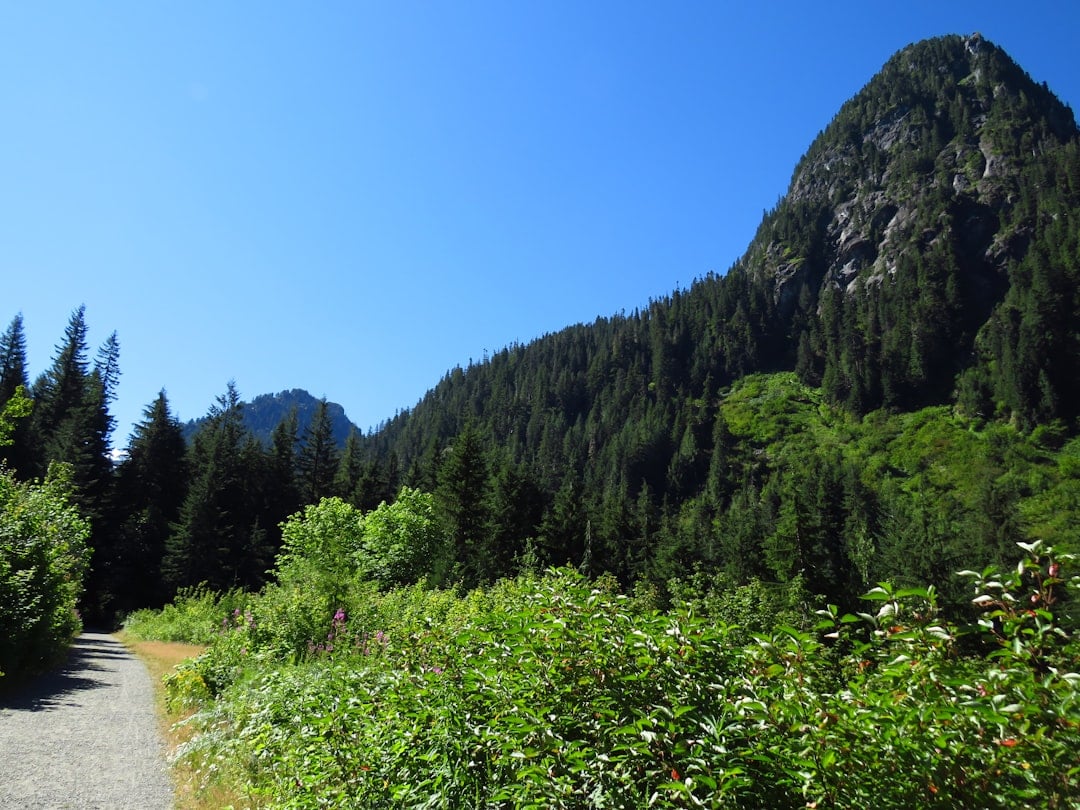
By mid-May, things stabilize. Daytime highs reach the 60s and low 70s, and nighttime lows finally stay above freezing consistently. This is when the high desert comes alive: wildflowers bloom, the bitterbrush turns yellow, and the Cascade peaks still hold full snow coverage, creating the contrast that shows up in all the photos.
Mud Season
Late March through April is mud season. The snowpack melts, the ground thaws, and every unpaved surface turns into a mess. Mountain bike trails close for several weeks to prevent erosion damage. If your driveway is gravel (common in rural properties and some subdivisions), expect it to need grading. If you are looking at homes with dirt or gravel access roads, visit them during mud season to see what you are dealing with.
Homeowner Considerations
Spring is when you discover whether your roof survived winter. Look for ice dam damage along eaves, check the crawl space for moisture intrusion from snowmelt, and inspect exterior paint and siding for freeze-thaw damage. Irrigation systems need to be turned back on (typically early to mid-May in Bend) and inspected for winterization damage. If you have a well, this is when to test output after the aquifer recharges.
Summer: June Through September
Summer is why people move here. That is an honest statement. The combination of warm days, cool nights, low humidity, and nearly guaranteed sunshine makes Central Oregon summers genuinely pleasant. But there are catches you should know about.
The 300 Days of Sunshine Claim
You will hear that Central Oregon gets 300 days of sunshine per year. This is broadly true in the sense that most days see at least some sun, but it is misleading if you interpret it as 300 warm, cloudless days. Many of those “sunshine days” are 25-degree January mornings with clear skies. Summer, specifically July and August, is reliably sunny with highs in the 80s and low 90s. June can be variable (locals call it “Junuary” when cool, rainy weather lingers into early summer). September is consistently excellent.
Smoke Season
This is the part that relocation guides tend to gloss over, and it is something you need to understand before buying. Wildfire smoke has become a significant summer issue in Central Oregon. Not every summer, and not for the entire summer, but in bad years (2017, 2018, 2020, 2021), smoke can blanket the region for one to four weeks, typically in August and into September.
During heavy smoke events, air quality reaches unhealthy levels (AQI above 150), outdoor exercise becomes inadvisable, and visibility drops to a quarter mile. Your beautiful mountain views disappear behind an orange haze. Schools have occasionally canceled outdoor activities. It is uncomfortable and, for people with respiratory issues, potentially dangerous.
What this means for homeowners: consider a home with good air filtration or plan to upgrade your HVAC system to include MERV-13 or higher filters. Central air conditioning, which was once considered unnecessary in Bend, is increasingly desirable for both heat and smoke days. Homes without AC sell at a discount compared to comparable homes with it. When you browse available homes, ask specifically about HVAC capacity.
Summer Festivals and Events
The event calendar from June through September is packed: Bend Brewfest, 4 Peaks Music Festival, Sisters Outdoor Quilt Show, Sisters Folk Festival, Bend Film Festival (October technically, but the vibe starts in September), Art in the High Desert, and dozens of smaller events. These are genuinely fun and contribute to the community feel. They also create traffic, parking headaches, and short-term rental demand that affects certain neighborhoods.
Water and Landscaping
Central Oregon is a high desert with about 11 inches of annual rainfall in Bend. Summer irrigation is essential for any non-native landscaping, and water is a limited resource. If you are buying a home with a large lawn, be aware of irrigation district fees and potential water restrictions during drought years. Many newer developments emphasize xeriscaping and native plants, which is both environmentally responsible and lower maintenance.
Fall: October Through November
Fall is the best-kept secret in Central Oregon, and locals will tell you this with genuine enthusiasm. The crowds thin out after Labor Day, temperatures settle into the 50s and 60s during the day, and the light turns golden. Aspens along the Cascade Lakes Highway and in the Metolius basin turn yellow, and the larch trees on the east side of the Cascades put on their annual show.
What the Weather Does
October days are often in the mid-50s to low 60s with cold nights (high 20s to low 30s). The first hard freeze typically arrives in late September or early October, killing the garden and triggering the annual scramble to blow out irrigation lines. November brings the transition to winter: temperatures drop into the 40s during the day and teens at night, and the first significant snow usually arrives by mid-November.
Homeowner Considerations
Fall is prep season. The to-do list includes: blow out irrigation lines before the first hard freeze (hire someone or buy a compressor, this is not optional), service your heating system, clean gutters, stack firewood if you heat with wood, check weather stripping, and swap out storm windows if your home has them. If you are buying a home in Central Oregon, ask the seller when the irrigation system was last serviced and whether the heating system has been professionally maintained.
Property taxes in Deschutes County are typically due in November, which is worth planning for if you are not escrowing.
Winter: December Through February
Winter in Central Oregon is real winter. This is not the rainy, 40-degree version of winter that western Oregon gets. It is cold, frequently snowy, and lasts from late November through March (and sometimes April). If you are coming from a milder climate, this is the adjustment that catches people most off guard.
Snow and Cold
Bend averages about 33 inches of snow per year, but there is significant variation. Some years bring 50 or more inches; occasionally, a dry winter produces 15. La Pine and Sunriver, at higher elevation, get more. Temperatures in December and January regularly drop below zero, and stretches of negative 10 to negative 15 are not unusual during cold snaps. The record low in Bend is around negative 30.
The snow is typically dry and powdery (high desert, remember), which means it is easier to shovel than the heavy wet snow coastal areas get. It also means it sticks around longer because daytime temperatures do not always climb above freezing. A January snowfall might still be on the ground in February.
Driving
Winter driving is part of life here, and there is no way around it. You need winter tires (studded or studless) from November through March. This is not a suggestion. The roads in and around Bend are hilly, and ice forms on bridges and overpasses. Highway 97, the main north-south route, can be treacherous in storms. Highway 20 over the Cascades to western Oregon closes occasionally for avalanche control or ice.
All-wheel drive is strongly recommended but is not a substitute for winter tires. A Subaru with all-seasons will not outperform a Honda Civic with studded tires on a frozen hill. Budget $800 to $1,200 for a set of winter tires and rims if your vehicle does not already have them.
Heating Costs
This is a practical budget consideration that many transplants underestimate. Heating a 2,000-square-foot home in Bend through a Central Oregon winter costs roughly $200 to $400 per month depending on the heating system, insulation quality, and the winter’s severity. Gas forced air is the most common and generally most cost-effective. Heat pumps have become increasingly popular and perform well in modern cold-climate models. Older baseboard electric heating is expensive to run; if you are looking at a home with baseboard heat, factor in conversion costs.
Homes built before the mid-1990s often have less insulation than current code requires. Ask about insulation R-values, window types (double-pane minimum, triple-pane preferred for comfort), and whether the home has had any energy upgrades. The Energy Trust of Oregon offers incentives for efficiency improvements.
Pipes and Ice
Frozen pipes are a real risk in Central Oregon winters. Homes with crawl spaces (common in the area) need properly insulated pipes and, ideally, heat tape on exposed runs. If you are buying a home, ask whether the plumbing has ever frozen and what preventive measures are in place. When temperatures drop below zero, many locals leave faucets dripping overnight as insurance.
How Weather Affects Home Design
The Central Oregon climate shapes home construction in specific ways, and understanding these helps you evaluate properties:
- Roof pitch: Steeper roofs shed snow better. Flat or low-pitch sections are prone to ice dams and snow load issues.
- Garage: A garage is not a luxury here. It is the difference between scraping ice off your car every winter morning and not.
- South-facing windows: Passive solar gain through south-facing windows can meaningfully reduce heating costs and improve winter comfort.
- Covered entries: A covered porch or entry keeps you from shoveling snow just to get to your front door.
- Mudroom: A dedicated mudroom or entry area for wet boots, ski gear, and dog towels is almost essential. Homes without one end up with wet floors all winter.
- Fire-resistant materials: Given wildfire risk, homes with metal or composite roofs, fiber cement siding, and defensible space landscaping are both safer and increasingly required in some areas.
The communities across Central Oregon each experience these seasonal patterns slightly differently based on elevation, wind exposure, and microclimate. Sunriver and La Pine are consistently colder than Bend. Redmond is slightly drier. Sisters gets more winter wind. When you are choosing where to live, visit at different times of year if you can. The place that enchants you in July might challenge you in January, and knowing that ahead of time is better than discovering it after closing. Connect with our local team to get neighborhood-specific insights on how the seasons affect daily life where you are considering buying.