




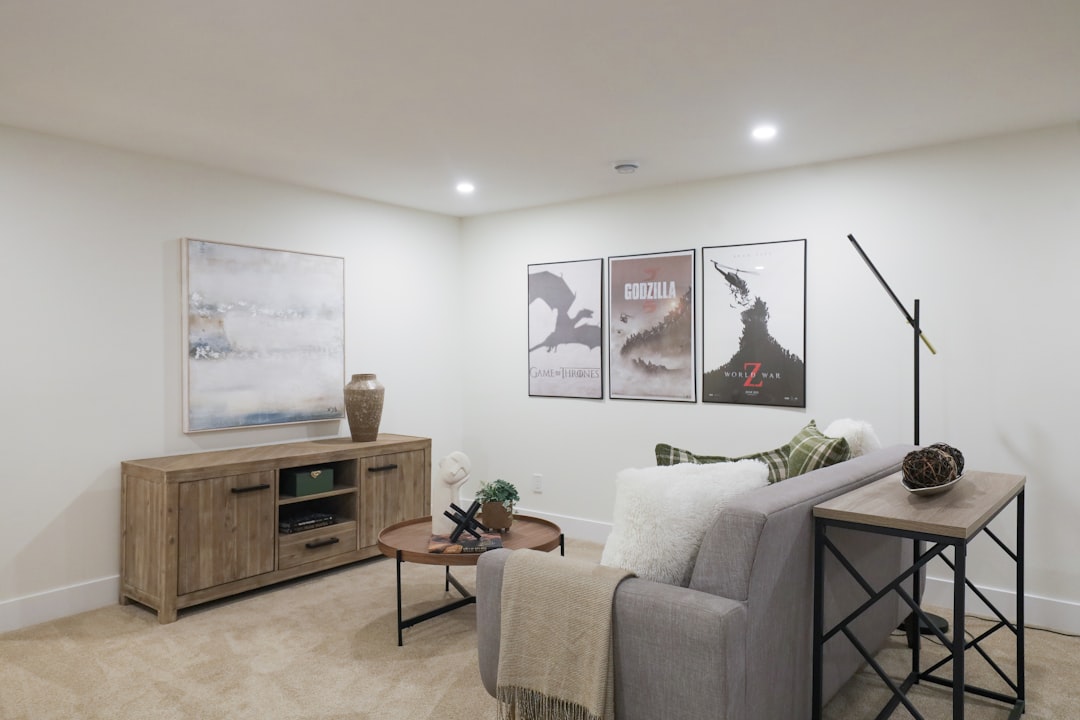
The month before your home hits the market is the most valuable window in the entire selling process. What you do (and don’t do) during these 30 days has more influence on your sale price than anything that happens after the sign goes up. This checklist gives you a day-by-day plan tailored to Central Oregon homes, so you’re not guessing at what matters and what doesn’t.
Day 1 Through 5: Planning and Assessment
Walk Your Home Like a Buyer
Before you fix anything, see your home the way a stranger would. Walk up to the front door. What do you notice? Step inside. Look at every room with fresh eyes. Open closets, look in the garage, check the backyard. Write down everything that looks worn, dated, cluttered, or broken. Don’t edit the list yet; just observe.
Better yet, ask a friend who hasn’t been to your home recently to walk through and give you honest feedback. People who live in a home stop seeing the peeling caulk, the scuffed baseboards, and the slightly off-color paint patch on the living room wall. You need someone who will notice them because buyers absolutely will.
Get a Pre-Listing Home Inspection
This is one of the smartest moves a seller can make, and most people skip it. Hire a home inspector (budget $400 to $600) to inspect your home before you list. This gives you two enormous advantages:
- You discover problems on your terms, not during the buyer’s inspection when you’re under time pressure and emotional stress
- You can fix issues proactively or price accordingly, rather than scrambling to negotiate repairs mid-transaction
In Central Oregon, common inspection findings include:
- Aging HVAC systems (many Bend homes built in the 2000s are hitting the 15-to-20-year mark on furnaces and heat pumps)
- Roof wear from snow, ice, and UV exposure at high altitude
- Sewer line issues, particularly in older Bend neighborhoods where tree roots have invaded clay pipes
- Moisture damage around improperly flashed windows or decks
- Elevated radon levels (certain areas of Central Oregon test above EPA recommended limits)
Research Comparable Sales
Start getting a sense of what homes like yours are selling for. Look at homes that have sold in the past three to six months within a mile or two of yours with similar square footage, bedrooms, and condition. Pay attention to the difference between list price and sale price. If homes are consistently selling below list price, the market is softer than asking prices suggest. If they’re selling at or above list, the market is on your side.
A free home valuation is a good starting point. Then pair it with your own research on current listings in your area to understand what you’re competing against.
Day 6 Through 12: Repairs That Matter
Fix What Buyers Notice
Not every repair is worth doing before listing. Focus on items that buyers will see during showings and that signal deferred maintenance. In order of priority:
- Leaks of any kind. A dripping faucet, a stained ceiling from a past roof leak, a toilet that runs. These are cheap to fix and expensive if left unfixed because buyers assume they’re symptoms of bigger problems.
- Doors and windows that stick or don’t close properly. In Central Oregon, where dry air and temperature swings cause wood to expand and contract, sticky doors are common. A planer or a quick sanding job usually solves it.
- Broken or missing hardware. Cabinet pulls, door handles, towel bars, outlet covers. Replace anything that’s broken, and make sure everything matches. A hardware mismatch makes a home feel neglected.
- Nail holes and wall damage. Patch, sand, and touch up paint. If you can’t match the existing paint color, plan to repaint the entire wall or room.
- Cracked or chipped tile. In bathrooms and kitchens, cracked tile is a red flag. Individual tiles can often be replaced for $50 to $200.
Repairs to Skip
Save your money on these unless the issue is severe:
- Replacing the roof. Unless it’s actively leaking or the inspector flagged it as a safety concern, offer a credit instead. A new roof costs $10,000 to $25,000 in Central Oregon, and you won’t get that back in the sale price.
- Updating the HVAC system. If the furnace works but is old, a buyer may ask for a credit, but replacing it preemptively rarely makes financial sense. A service tune-up ($150 to $250) shows good maintenance.
- Major renovations. Do not remodel a bathroom or kitchen to sell. You’ll spend $15,000 to $40,000 and recover maybe half. The exception is if the kitchen or bathroom is genuinely non-functional or hazardous.
Paint
Fresh paint is the single best return-on-investment improvement for sellers. A full interior paint job by a professional costs $3,000 to $6,000 for a typical Central Oregon home and can increase sale price by $5,000 to $15,000. Stick with neutral colors: warm whites, light grays, or greige (gray-beige). Avoid bold colors, even if you love them. Buyers need to see themselves in the space.
If a full paint job isn’t in the budget, at least touch up scuffs and repaint any rooms with dark or unusual colors.
Day 13 Through 18: Declutter and Deep Clean
Declutter Ruthlessly
This is harder than repairs because it’s personal. But here’s the reality: your belongings are visual noise to buyers. They need to see the home, not your life in it.
- Remove 50% of what’s on shelves, counters, and surfaces
- Clear out closets to about 60% to 70% capacity (yes, buyers open closets, and they want to see space)
- Pack away personal photos, collections, and memorabilia
- Remove any large furniture that makes rooms feel cramped. If you have to walk around a piece of furniture to get through a room, it should go
- Clean out the garage. In Central Oregon, the garage is a selling feature because buyers need space for skis, bikes, kayaks, and other gear. Show them the space is there
Rent a storage unit if needed. A 10×10 unit runs about $100 to $150 per month in Bend and is worth every dollar.
Deep Clean Everything
A professional deep clean is not the same as your regular cleaning routine. Hire a cleaning service ($300 to $800 depending on home size) to clean everything: baseboards, window tracks, inside appliances, grout lines, light fixtures, ceiling fans, behind toilets, and inside cabinet doors. Once the deep clean is done, maintain it throughout the listing period.
Specific to Central Oregon: volcanic dust is a constant presence. Clean window sills, screens, and exterior window frames where pumice dust accumulates. Clean or replace HVAC filters (dirty filters suggest poor maintenance).
Day 19 Through 24: Curb Appeal
The 7-Second Rule
Buyers form their first impression in the first seven seconds of seeing your home, either in photos or pulling up to the curb. That impression colors everything they see afterward.
Landscaping
Central Oregon landscaping has its own rules. Lush green lawns aren’t the norm here (and irrigation costs are a turnoff for many buyers). Focus on:
- Clean edges. Trim grass borders, bark dust beds, and gravel areas. Cost: free if you own an edger.
- Fresh bark dust or decorative rock. Refreshing your landscape beds is one of the highest-impact, lowest-cost curb appeal improvements. Budget $200 to $500 for materials.
- Trim trees and shrubs. Remove dead branches, shape overgrown shrubs, and clear anything that blocks windows or the front entry. If you have Ponderosa pines, clean up needle drop from the roof and gutters.
- Seasonal color. A few pots of flowers at the front entry add life. In Central Oregon’s climate, use hardy options like petunias, geraniums (summer), or mums and ornamental kale (fall).
Snow Season Specifics
If you’re listing between November and March, exterior maintenance takes a different form:
- Keep the driveway and walkways clear of snow and ice. Buyers need safe access for showings.
- Ice melt on steps and the front porch (avoid products that damage concrete).
- Make sure exterior lights work. Days are short, and many showings happen in dim light.
- Clear snow from the roof line if accumulation is significant. Icicles and ice dams look alarming to buyers.
Front Entry
- Paint or stain the front door if it’s faded or peeling. A fresh front door is the single most impactful curb appeal improvement. Cost: $50 to $100 for a DIY paint job.
- Replace the doormat.
- Update house numbers if they’re dated or hard to read.
- Clean or replace the mailbox.
- Add a small potted plant or arrangement flanking the entry.
Day 25 Through 28: Systems and Documentation
Systems Check
Run through every system in the home and verify it’s working:
- HVAC: Schedule a service appointment ($150 to $250). Have the technician replace filters, check refrigerant (if applicable), and verify operation. Keep the service receipt to show buyers the system has been maintained.
- Water heater: Check the age (the serial number encodes the manufacture date). If it’s over 12 years old, mention it to your agent as a potential negotiation point.
- Plumbing: Run every faucet and flush every toilet. Check under sinks for drips. Test the garbage disposal.
- Electrical: Test all outlets and switches. Replace any burned-out bulbs (this sounds trivial, but dark rooms photograph poorly and feel smaller). Make sure GFCI outlets in kitchens and bathrooms are functional.
- Smoke and CO detectors: Oregon law requires working smoke detectors on every level and near bedrooms, and CO detectors near sleeping areas. Replace batteries or entire units if needed. This isn’t optional; it’s required for sale in Oregon.
- Irrigation system: If you have one, test all zones. Fix broken heads or dry spots. A working irrigation system adds real value in Central Oregon’s dry climate.
Gather Documentation
Compile a file of useful documents for potential buyers. Having this ready shows organization and transparency:
- HOA documents (CC&Rs, rules, budget, meeting minutes, reserve study) if applicable
- Recent utility bills (12 months if possible) so buyers can estimate costs
- Home improvement receipts and permits
- Warranty information for appliances, roof, HVAC, and any transferable warranties
- Survey or plat map
- Well and septic records (if applicable)
- Radon test results (if you’ve tested)
- Insurance claim history
Day 29 Through 30: Final Prep and Agent Selection
Choose Your Listing Agent
If you haven’t already selected your listing agent, this is the time. Interview at least two or three. Look for:
- Specific experience in your neighborhood and price range
- A clear, detailed marketing plan (not vague promises of “exposure”)
- A realistic pricing strategy backed by comparable sales data, not a flattering high number designed to win the listing
- Strong communication. Ask each agent how they’ll keep you updated, how quickly they respond to calls and texts, and what their showing feedback process looks like
- Professional photography, video, and potentially drone footage included in their services
Meet our team to see if we’re the right fit. We represent sellers across Central Oregon and focus on honest pricing, strong marketing, and clear communication throughout the process.
Final Walk-Through
The day before your listing goes live, walk through the entire home one more time:
- Every light works
- Every surface is clean
- Every room smells neutral (not like cooking, pets, or air freshener)
- Closets are organized and not overflowing
- The garage is clean and shows available space
- The front entry is inviting
- The yard is tidy
- Nothing is visibly broken or out of place
The Ongoing Checklist
Once your home is listed, daily maintenance becomes part of your routine. Keep a daily showing prep list:
- Make all beds
- Clear and wipe all counters
- Empty all trash cans (and take the bins out of sight)
- Open blinds and turn on lights
- Put away personal items (toothbrushes, medications, mail)
- Secure valuables and medications
- Take pets and their bowls, toys, and beds with you
- Leave the thermostat at a comfortable temperature (68 to 72 degrees)
What Most People Miss
After working with hundreds of sellers in Central Oregon, these are the items that are consistently overlooked:
- The laundry room. Clean it, organize it, and make it look functional. Buyers notice laundry rooms more than sellers think.
- Closet lighting. Adding a battery-powered LED puck light to dark closets costs $10 and makes them look 50% bigger.
- The view from the street at night. Drive by your home after dark. Is it well-lit and inviting, or dark and hard to find? Evening showings happen, especially in fall and winter.
- The smell. You don’t notice your home’s smell because you live in it. Ask your agent or a friend to be honest about any odors. Pet smells, cooking odors, and musty basements are the top three offenders.
- The approach. Is your house number clearly visible from the street? Can a buyer find your home easily? First-time visitors are already slightly stressed about finding the right house; make it easy.
The Bottom Line
Preparing a home for sale is work, but it’s the most directly profitable work you’ll do in the entire selling process. Every dollar spent on strategic preparation returns three to five dollars in sale price or saves weeks on market. Start with the big wins (paint, deep clean, declutter, curb appeal), address any inspection findings on your terms, and present a home that lets buyers see themselves living there. Check out our seller resources for more guidance, or request a free home valuation to start understanding where your home sits in the current market.